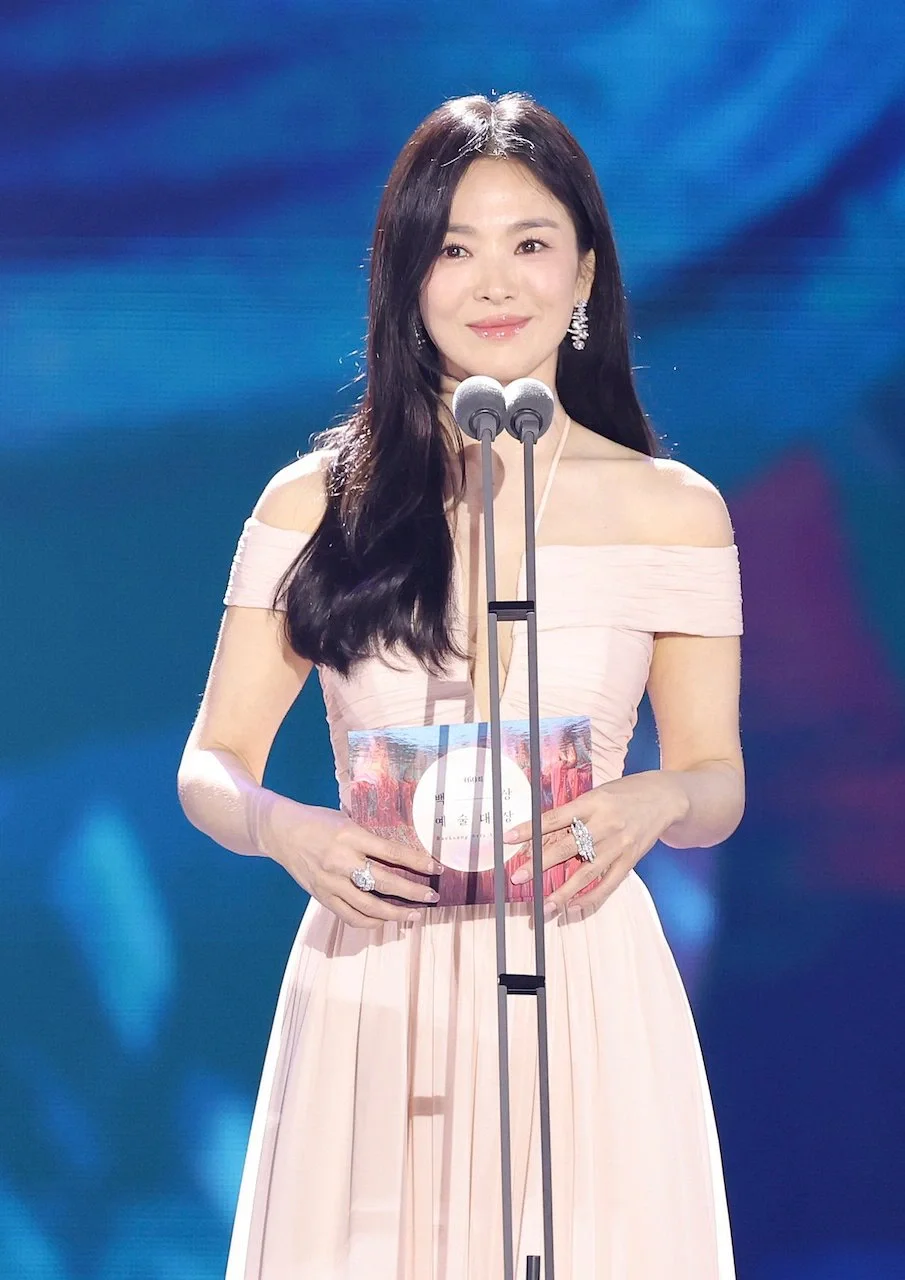
To determine your face shape, start by tying up your hair and taking a picture of your face. Then, analyze the photo by mentally drawing two lines: one vertical line that splits your face into left and right halves, and one horizontal line that divides it into top and bottom sections.
Another method is to stand in front of a well-lit mirror with your hair tied back. Using a lipstick, makeup pencil, chalk, or a whiteboard marker, carefully trace the outline of your face directly onto the mirror—excluding your ears—while keeping your head straight and still. There are six primary face shapes: round, square, oval, heart, rectangular, and diamond.
Round face
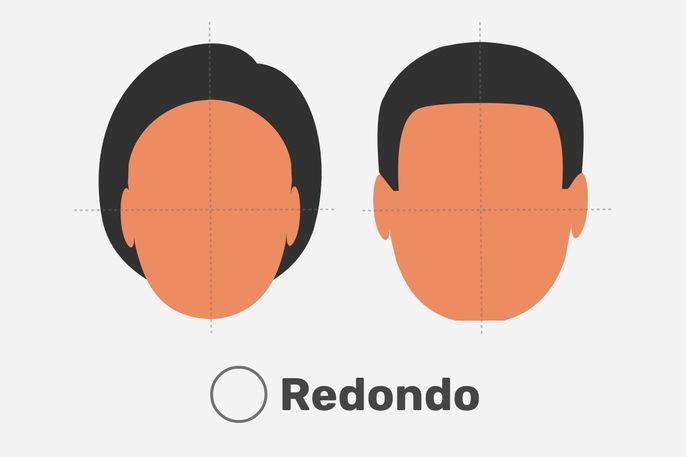
For this face shape, the vertical and horizontal proportions are nearly equal. The defining features include soft, rounded angles with no sharp lines, giving the face a smooth and gentle appearance.
While often mistaken for an oval face shape, a round face has a smaller forehead, and the distance from the bottom of the nose to the chin is shorter than the full length of the nose.
Best Glasses: When selecting sunglasses or prescription glasses, avoid rounded frames that emphasize the face’s curves. Instead, opt for styles with straight lines—rectangular and square frames are the most flattering choices.
Best Haircuts: Medium to long hairstyles that slightly cover the cheekbones are ideal for this face shape. If you prefer bangs, avoid blunt, straight cuts and go for diagonal or side-swept styles to create a more balanced look.
Square face
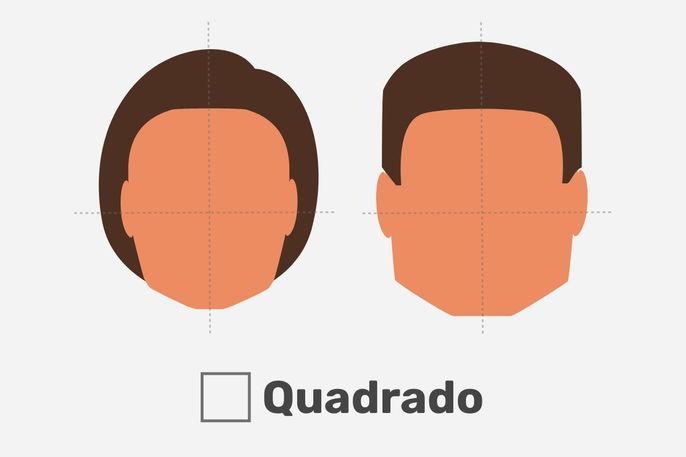
A square face shape has equal vertical and horizontal proportions, similar to a round face. However, the key difference is its more defined, straight edges and angular structure.
Best Glasses: When selecting sunglasses or prescription glasses, opt for aviator or cat-eye frames. These styles help soften the strong, straight lines of the face, creating a more balanced look.
Best Haircuts: Asymmetrical and voluminous hairstyles work well with this face shape. Short haircuts are also a flattering choice, as they complement the face’s structured features.
Oval face
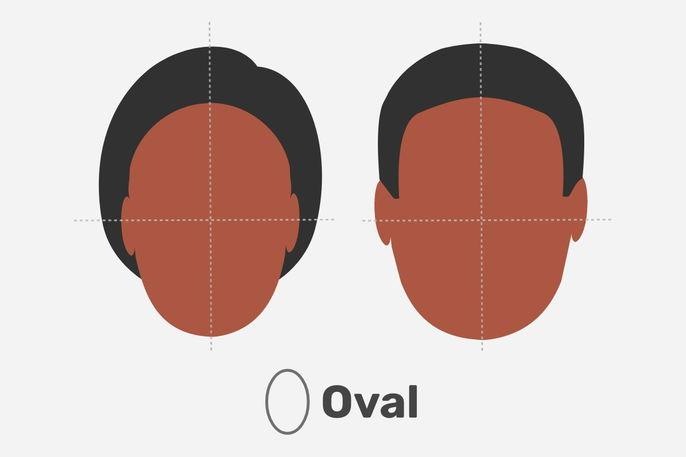
An oval face shape is slightly longer than it is wide, with a vertical length about one-third greater than the horizontal. This face type has soft, balanced proportions with no prominent angles.
Best Glasses: Both rounded and straight frames complement an oval face. The key is choosing a well-proportioned size—not too large or too small—to maintain balance with the face’s natural shape.
Best Haircuts: Asymmetrical and layered hairstyles enhance this face shape beautifully. Straight bangs are also a great option, as they create the illusion of a shorter face.
Heart face
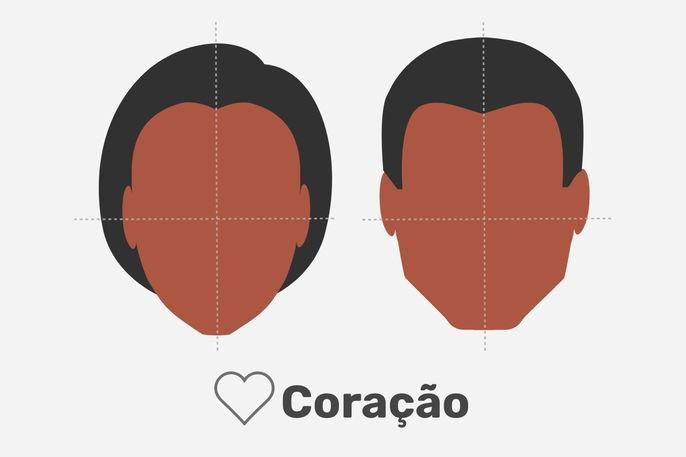
A heart-shaped face is longer than it is wide, characterized by a pointed chin, a broad forehead, and prominent cheekbones. The jawline tapers as it reaches the chin, giving it an appearance similar to an inverted triangle.
Best Glasses: Rounded or aviator-style frames are ideal for this face shape, as they soften the wider forehead and create balance. Glasses with curved edges help harmonize facial proportions.
Best Haircuts: Medium-length, voluminous hairstyles complement this face shape beautifully. Bangs are also a great choice, as they help create the illusion of a shorter forehead.
Oblong or rectangular face
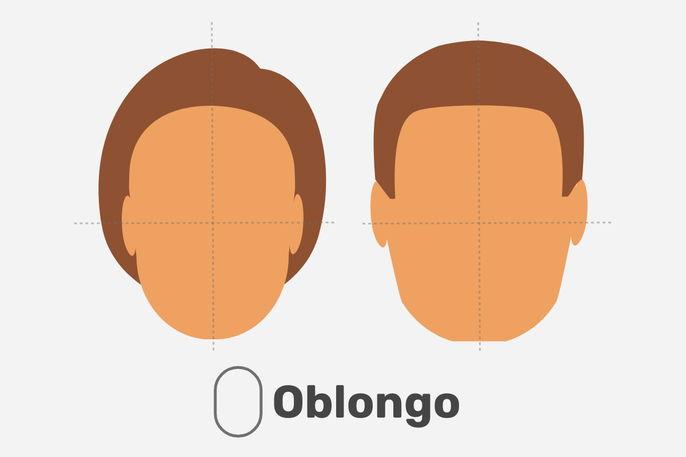
An oblong face, also known as a rectangular face shape, is significantly longer than it is wide, with straight, well-defined sides and a subtly curved jawline. Unlike a square face, the jaw is less pronounced, and the forehead and jawline typically share the same width, giving the face a rectangular appearance.
Best Glasses: To soften the strong vertical lines of this face shape, aviator or cat-eye frames are ideal. These styles add curves and balance to the overall look.
Best Haircuts: Asymmetrical and layered hairstyles work best, adding movement and volume to counteract the face’s length. Bangs can also help create the illusion of a shorter forehead.
Diamond face
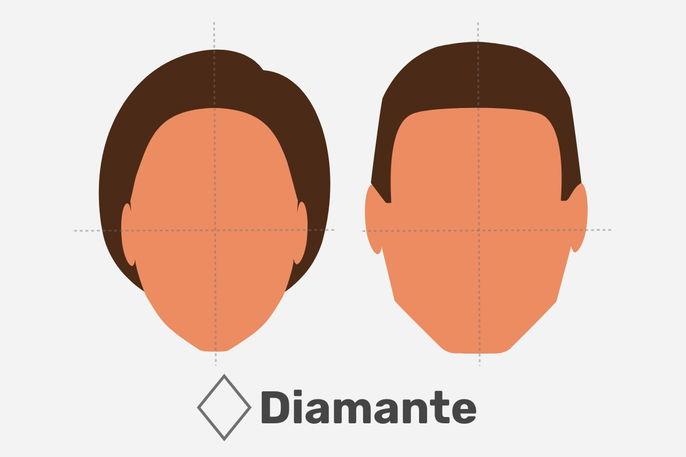
A diamond-shaped face is longer than it is wide, featuring prominent cheekbones as its widest point, a narrow forehead, and a pointed chin. While similar to a heart-shaped face, the key difference is that the forehead is narrower, creating a more angular look. The jawline is long and straight, tapering gently towards the chin.
Best Glasses: Round or oval-bottomed frames are ideal for softening the sharp angles of a diamond-shaped face, helping to create a more balanced appearance.
Best Haircuts: Layered hairstyles work best, adding volume to balance the face’s natural structure. Straight bangs can also be flattering, as they help soften the overall look.