7 REASONS YOUR HAIR IS DRY 

Everyone desires soft, silky hair, and the hair care industry thrives as a multi-million-pound market, with leading brands like Herbal Essences and Pantene setting the standard.

Dry, brittle hair can result from everyday factors such as weather changes or an unsuitable hair care routine. However, it may also indicate a lack of essential nutrients in your diet or an underlying health condition.

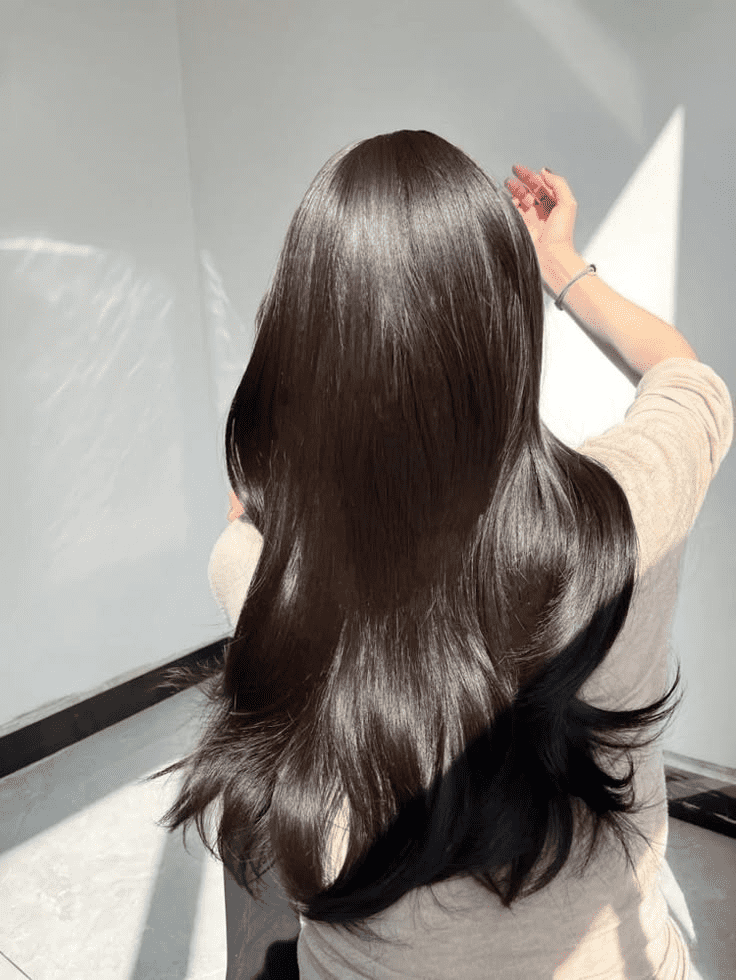
To help you achieve strong, healthy locks, here are the top seven reasons your hair may be dry and brittle—along with lifestyle changes that can restore its vitality. Because when it comes to hair care, you deserve the best!

YOUR HAIR CARE HABITS
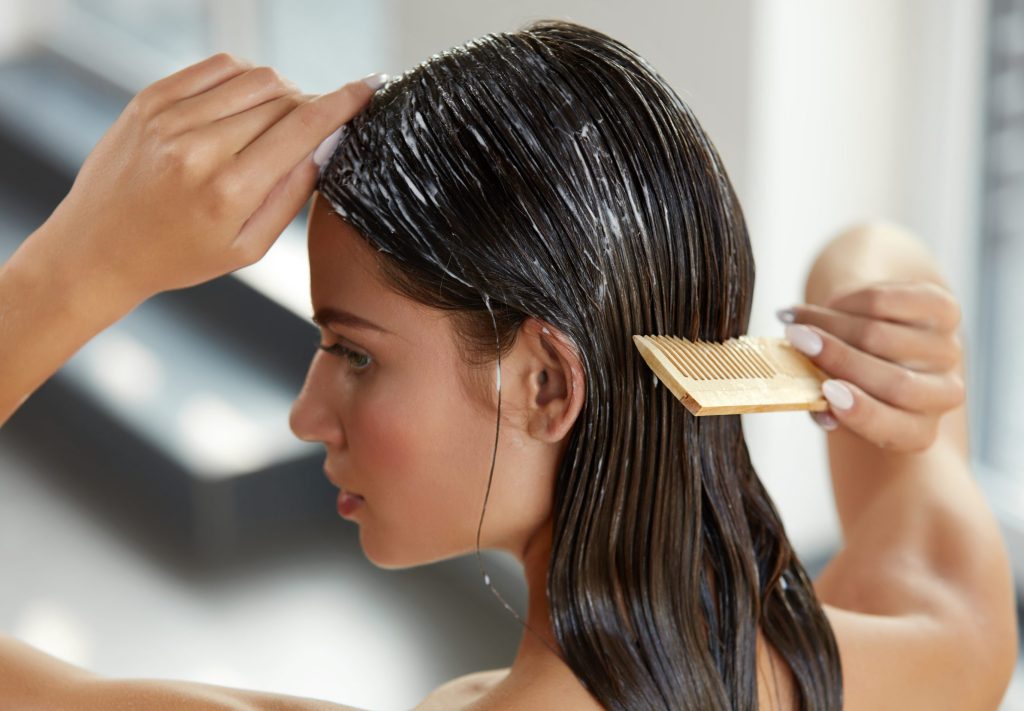
The way you care for your hair plays a major role in its health. Overwashing can strip away the natural oils that keep your hair soft and hydrated. Similarly, hair dyes with harsh chemicals can cause immediate damage, leaving hair dry and brittle. Frequent use of heat styling tools like blow dryers and straighteners further intensifies dryness due to prolonged heat exposure.

ENVIRONMENTAL FACTORS

Extreme weather conditions, whether hot or cold, can contribute to dry, brittle hair. Constant exposure to the sun, wind, or water—such as frequent swimming—can also take a toll on your locks. To protect your hair, consider wearing a hat in sunny or windy conditions and using a swim cap if you spend a lot of time in the water.

MALNUTRITION

A lack of essential nutrients in your diet can have a significant impact on hair health. Malnutrition ranks alongside heat and chemical damage as a major cause of brittle hair. Ensuring your body receives the necessary vitamins and minerals can help maintain strong, healthy hair.

ANOREXIA NERVOSA

Anorexia nervosa is an eating disorder that leads to excessive weight loss and nutritional deficiencies. Since hair health depends on proper nutrition, dry and brittle hair can be an early warning sign of this condition. A well-balanced diet rich in nutrients, including Omega-3 fatty acids found in oily fish, is essential for overall well-being and hair vitality.

MENKES SYNDROME

Menkes Syndrome is a rare genetic disorder that prevents the body from properly absorbing copper, a mineral essential for healthy hair, skin, and bones. While dry hair is a minor symptom of this serious condition, it can serve as an indicator of an underlying issue.

HYPOTHYROIDISM

The thyroid gland, located at the front of the neck, regulates the body’s metabolism, including how it processes proteins and energy. When the thyroid gland underproduces hormones (a condition known as hypothyroidism), symptoms may include dry hair, fatigue, weight gain, depression, and muscle or joint pain.

HYPOPARATHYROIDISM

The parathyroid glands help regulate calcium levels in the body. When these glands fail to produce enough parathyroid hormone, a condition called hypoparathyroidism occurs. This can lead to dry hair and skin, muscle cramps, spasms, and even cataracts. In some cases, the condition arises due to damage sustained during head or neck surgery.

IN SUMMARY

Dry and brittle hair can result from everyday factors like weather exposure or an unsuitable hair care routine. In these cases, simple lifestyle changes, a nutrient-rich diet, and hair care supplements can help restore its health. However, persistent dryness may also signal an underlying health issue. Paying attention to your hair’s condition can not only enhance your appearance but also serve as an important indicator of your overall well-being.
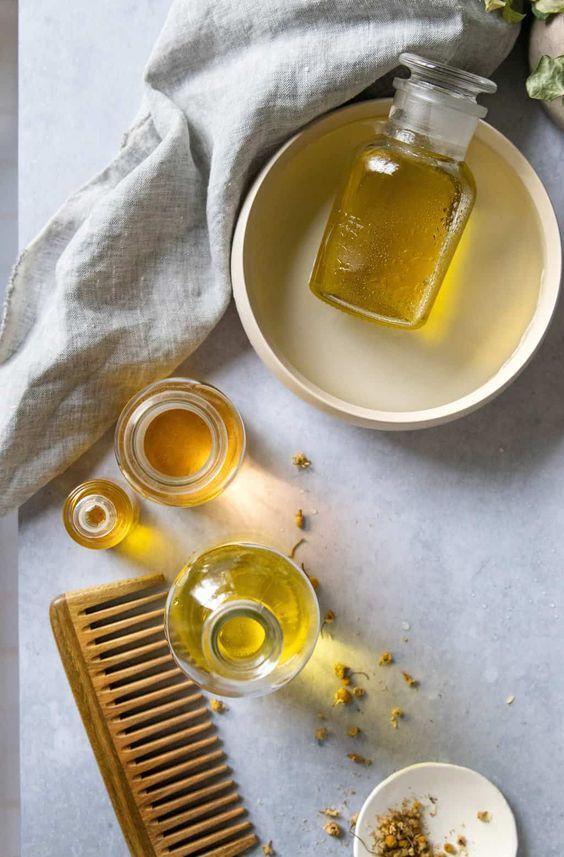
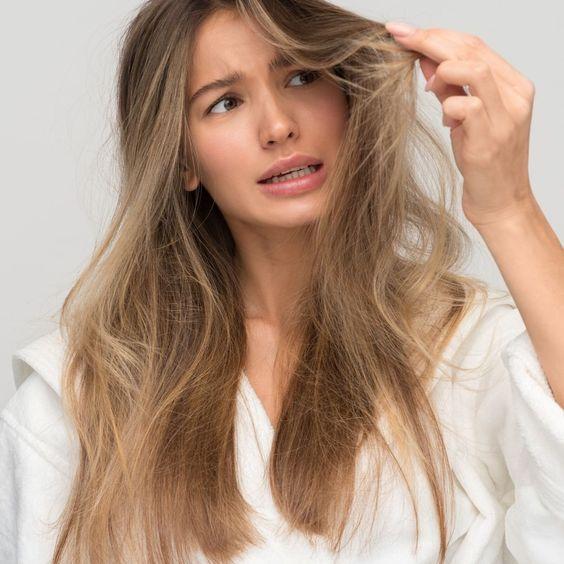
ESSENTIAL OILS FOR DRY SCALP & GENTLE HAIR CONDITIONING MASK

A dry, flaky scalp can be a harmless issue, but it can become bothersome if it leads to itchiness and embarrassing when others notice the white flakes. Here are some natural remedy suggestions, including essential oils that can help alleviate dry scalp.

TREATING DRY, ITCHY SCALP NATURALLY

First, it’s important to distinguish between dry skin and dandruff. While some remedies may help both conditions, dandruff is more complex and requires a different approach.

Dandruff is typically caused by excess oil, resulting in larger, yellowish flakes that are more difficult to remove. An unpleasant odor may also accompany dandruff. If this is your concern, you may need to consider more intensive treatments.

Once you’ve established that you’re dealing with a dry scalp, it’s helpful to identify the underlying cause of the dryness. While you can start using essential oils for dry scalp right away, understanding the root cause can help prevent recurring issues.

Some common causes of a dry scalp include:

  • Stress
  • Poor diet
  • Dehydration
  • Seasonal changes and climate (such as cold, dry winter air or excessive sunlight in summer)
  • Harsh chemicals in shampoos, conditioners, styling products, or other hair treatments
  • Hormonal changes

I recommend being cautious with dandruff shampoos, as the chemicals in these products may exacerbate dry scalp conditions. 

BEST ESSENTIAL OILS FOR DRY SCALP

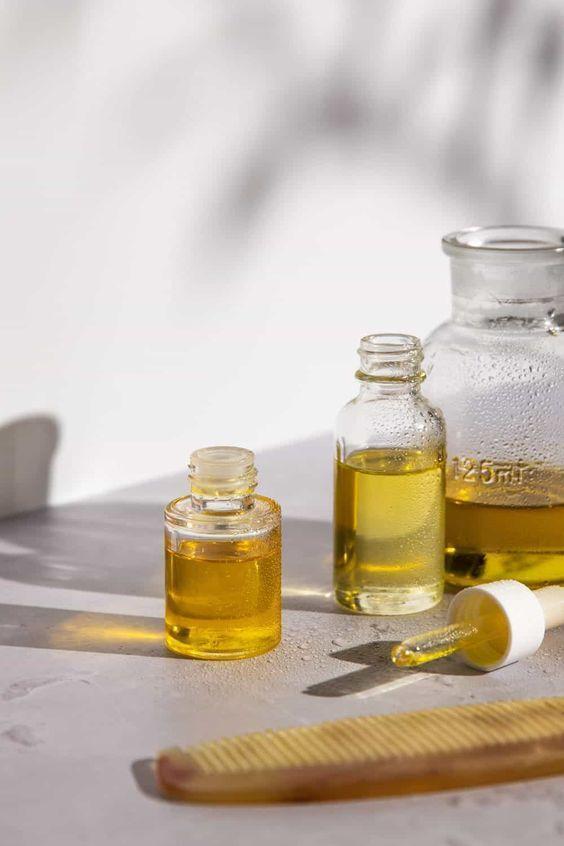
These essential oils are renowned for their ability to cleanse the sensitive skin of the scalp and enhance hair conditioning. This list serves as an excellent starting point to discover which oils work best with your unique body chemistry.

  • Lavender: Known as one of the best oils for skin care, lavender essential oil is gentle yet potent, featuring antimicrobial and antioxidant properties.
  • Tea Tree: This oil promotes healing of the scalp thanks to its antifungal properties and can also stimulate hair growth.
  • Rosemary: With its antioxidant and antibacterial characteristics, rosemary stimulates the scalp and may promote hair growth.
  • Cedarwood: This earthy oil combats bacteria and fungi with its antiseptic properties, adding shine to hair and serving as a heat protectant.
  • Lemongrass: A popular cleansing oil, lemongrass essential oil is effective for oily hair and helps strengthen hair follicles. It also boasts anti-inflammatory and detoxifying benefits.

A simple apple cider vinegar hair rinse can sometimes provide just what you need to balance your scalp’s skin, eliminate any bacteria contributing to dry scalp issues, and improve your hair’s texture. For many, this may be the only natural hair treatment needed in their routine. Here is a recipe for making apple cider vinegar at home that you can refer to.

Apple Cider Vinegar Hair Rinse

Author: Mama Z

Ingredients

  • ⅓ cup organic unfiltered apple cider vinegar
  • 1⅓ cups purified or distilled water
  • 30-48 drops of essential oils*

Instructions

  • Combine one part apple cider vinegar with four parts water and add your choice of essential oils.
  • Pour the mixture into a squeeze bottle or a repurposed shampoo bottle.
  • After shampooing, apply the rinse to clean, wet hair in the shower.
  • Gently massage it into your scalp and the roots of your hair, allowing it to soak for 3-5 minutes.
  • Rinse thoroughly. You may find that you don’t need to use as much conditioner after this treatment.

Notes: The ratio for this recipe is 1 part vinegar to 4 parts water. Feel free to adjust the quantities as needed for your family.

*Recommended essential oils include lavender, tea tree, cedarwood, lemongrass, and rosemary. Use about 15-20 drops per cup.

If your dry scalp requires more intensive moisturizing, this natural hair and scalp treatment is just what you need! Customize the essential oils to find the perfect match for your skin. Keep in mind that it may take a few applications and some time to heal your scalp. Here’s Mama Z’s at-home hair mask recipe for you to try!

NATURAL HAIR MASK TREATMENT

INGREDIENTS

  • 4 tablespoons aloe vera gel
  • 2 tablespoons organic unfiltered apple cider vinegar
  • 1 tablespoon carrier oil or raw organic local honey*
  • 24-30 drops of your choice of essential oils**

INSTRUCTIONS

  • Combine all the ingredients to create a hair treatment mixture.
  • Apply the natural hair mask to your scalp, ensuring it penetrates the skin to help eliminate bacteria and flakes.
  • Start at the crown of your head or your natural part, working the mask down your scalp. A wide-tooth comb can help distribute the mask effectively if needed.
  • Cover your head with a shower cap or a clean towel, allowing the mask to soak in for 15-20 minutes or as long as desired.
  • Rinse thoroughly and shampoo or condition as usual, though you may find you don’t need as much conditioner after this treatment.

Notes:

  • Follow this mask with my Apple Cider Vinegar Hair Rinse to balance your hair’s pH and remove any excess product. Use an organic, unscented conditioner on the ends of your hair.
  • I recommend using a scalp massager to thoroughly work the hair mask into your scalp. For extra care, you can use a Nix lice comb to remove any leftover particles from your hair and scalp.
  • To complete your hair care routine, consider applying our Hair Regrowth Gel.

*Avoid coconut oil, as it can dry out the skin. Opt for jojoba, argan, almond, or olive oil instead; jojoba is particularly good for adding shine. Honey is also a great option for moisturizing and can help tame frizz.

**Suggested essential oils include cedarwood, lavender, lemongrass, tea tree, and rosemary. My favorite blend is equal parts peppermint, rosemary, and tea tree.

This treatment makes for a wonderful weekly ritual, especially while you unwind in a detox bath or simply to rejuvenate your scalp’s skin.

CONCLUSION

In conclusion, essential oils offer a natural and effective solution for addressing dry scalp and promoting healthy hair. By carefully selecting oils like lavender, rosemary, tea tree, and peppermint, you can create a gentle yet potent hair conditioning mask tailored to your specific needs. Remember to always conduct a patch test before using essential oils on your scalp, and dilute them properly with a carrier oil to avoid irritation. With consistent use, this DIY hair mask can help nourish your scalp, reduce dandruff, and leave your hair feeling soft, shiny, and revitalized. Embrace the power of nature and unlock the transformative potential of essential oils for your hair care routine.