9 MAGICAL SPRING WEDDING THEMES

Planning a spring wedding? Get inspired by these breathtaking spring wedding themes! Spring is a magical time of year, making it the perfect season to say “I do.” With vibrant blooms, soft pastel hues, and picturesque landscapes, spring offers endless possibilities for a dreamy wedding celebration. Whether you’re drawn to a whimsical fairytale, a romantic pastel palette, or a charming vintage aesthetic, there’s a spring wedding theme to match every couple’s vision. If you’re ready to start planning, explore these 9 enchanting spring wedding themes to bring your dream wedding to life!

ENCHANTED GARDEN

Capture the magic of spring by hosting an enchanted garden wedding. Opt for a scenic garden venue or transform an indoor space into a lush floral paradise. Enhance the romantic ambiance with delicate floral patterns, pastel hues, vintage-inspired decor, and charming hanging lanterns.

Color Inspiration:
A dreamy mix of soft pinks, greens, and ivory.

Decor Ideas:
Floral arches, fairy lights, and antique furniture.

Wedding Favors:
Personalized seed packets or mini potted plants.

PASTEL PERFECTION

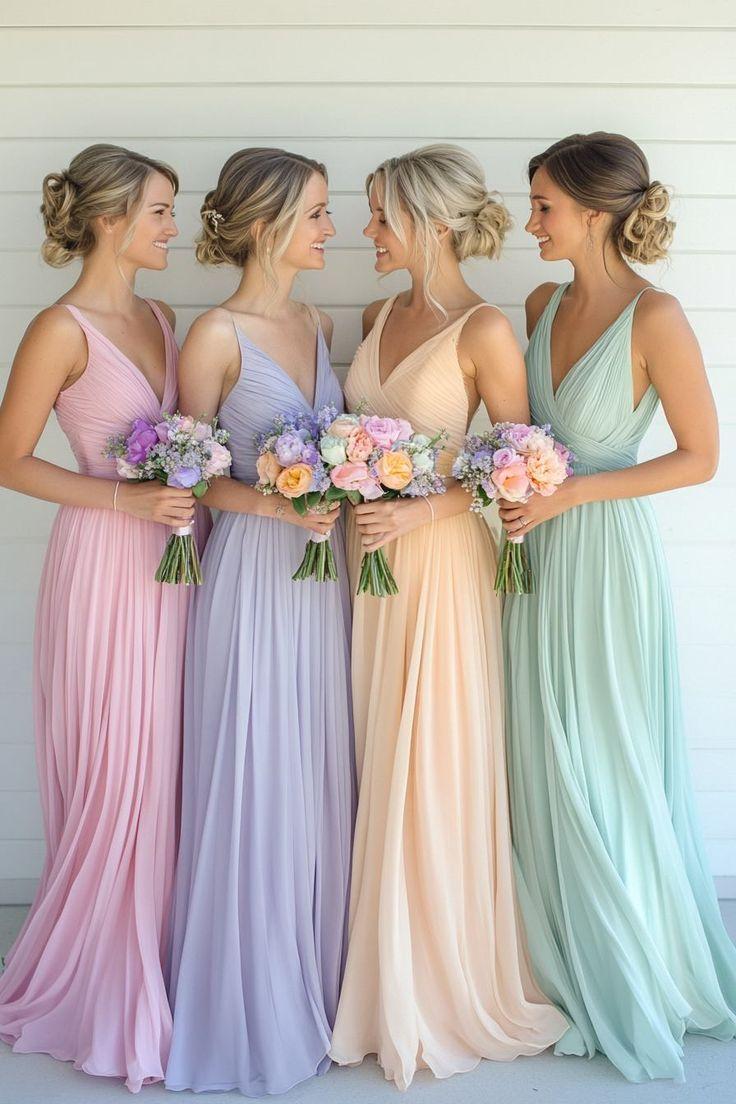
Embrace the softness of spring with a pastel-themed wedding. Incorporate delicate shades like blush pink, lavender, pale yellow, and mint green into floral arrangements, bridesmaid dresses, and subtle metallic accents.

Color Inspiration:
A romantic palette of soft pastels with touches of gold or silver.

Decor Ideas:
Pastel floral centerpieces, silk ribbons, and elegant tableware.

Wedding Favors:
Macaron boxes or pastel-colored candles.

RUSTIC CHIC

Blend natural charm with a touch of elegance for a countryside-inspired wedding. Use wildflowers, wooden accents, and burlap, complemented by lace details for a rustic yet sophisticated aesthetic.

Color Inspiration:
Earthy tones with hints of dusty rose, sage green, and warm neutrals.

Decor Ideas:
Mason jar centerpieces, wooden signage, and twinkling string lights.

Wedding Favors:
Mini honey jars or personalized wooden coasters.

VINTAGE ROMANCE

Step back in time with a vintage-inspired spring wedding. Incorporate lace, pearls, antique decor, and classic floral arrangements to evoke an old-world charm.

Color Inspiration:
Soft pastels, champagne, and delicate floral prints.

Decor Ideas:
Crystal glassware, floral china, and mismatched vintage silverware.

Wedding Favors:
Retro-style postcards or vintage key bottle openers.

CITRUS CELEBRATION

Brighten up your wedding with a fresh citrus theme. Incorporate vibrant hues of orange, yellow, and green with citrus-inspired details in decor, cocktails, and table settings.

Color Inspiration:
Sun-kissed tones of tangerine, lemon, and lime.

Decor Ideas:
Citrus fruit centerpieces, lemon garlands, and refreshing lemonade stations.

Wedding Favors:
Mini bottles of limoncello or citrus-infused candles.

NAUTICAL ELEGANCE

Celebrate the arrival of warmer days with a seaside-inspired wedding. Incorporate navy blue and white stripes, anchor motifs, and oceanic details for a breezy coastal vibe.

Color Inspiration:
Navy, crisp white, and hints of coral or gold.

Decor Ideas:
Rope-wrapped centerpieces, seashell accents, and driftwood signage.

Wedding Favors:
Mini sailboat ornaments or personalized seashell keepsakes.

CHERRY BLOSSOM DREAM

Honor the fleeting beauty of spring with a cherry blossom-themed wedding. Adorn your venue with delicate pink blossoms and incorporate Japanese-inspired elements for an ethereal touch.

Color Inspiration:
Blush pink, soft ivory, and warm neutrals.

Decor Ideas:
Cherry blossom centerpieces, paper lanterns, and origami accents.

Wedding Favors:
Cherry blossom-scented candles or tea sets.

WHIMSICAL FAIRYTALE

Turn your wedding into a magical fairytale. Create an enchanting atmosphere with fairy lights, vintage lanterns, and whimsical details like stacked books and teacups.

Color Inspiration:
Soft pastels, gold accents, and ethereal blues.

Decor Ideas:
Moss-covered tables, twinkle lights, and antique candelabras.

Wedding Favors:
Mini glass bottles with love notes or enchanted key charms.

BOHEMIAN BLOOM

Celebrate free-spirited love with a boho-inspired wedding. Incorporate dreamcatchers, wildflower bouquets, macramé decor, and vibrant textiles for a relaxed yet stylish setting.

Color Inspiration:
Earthy tones with pops of deep jewel hues.

Decor Ideas:
Flowy fabrics, colorful rugs, and pampas grass arrangements.

Wedding Favors:
Handmade dreamcatchers or pressed flower bookmarks.
20 VEGETABLES TO PLANT IN MIDSUMMER FOR A BOUNTIFUL FALL HARVEST

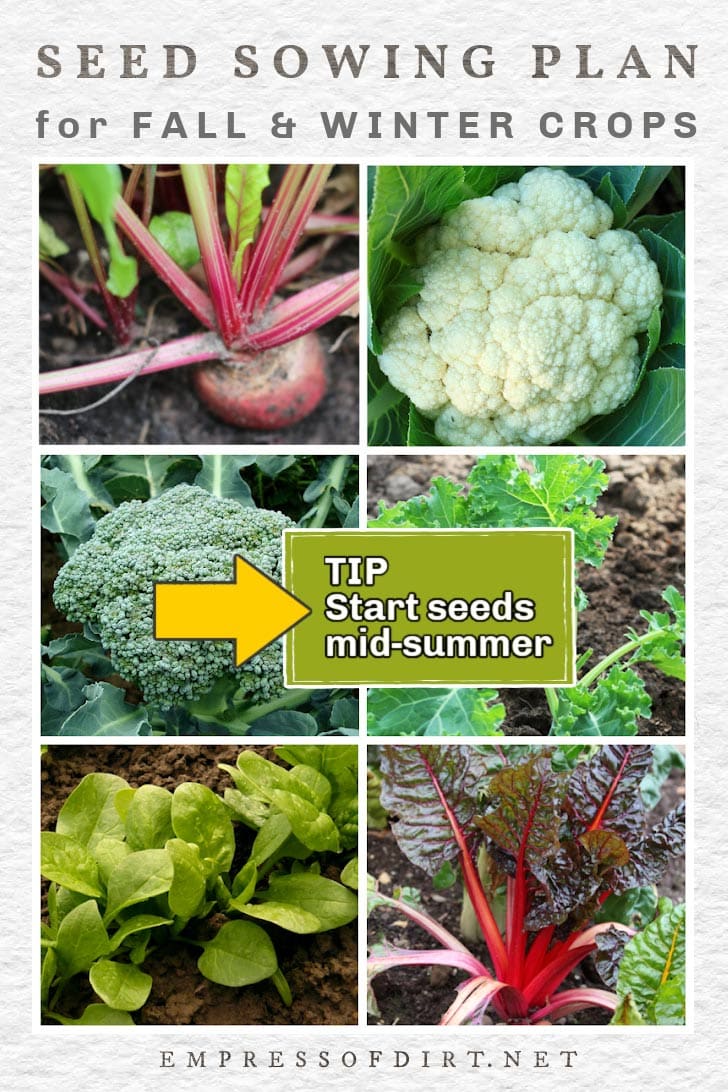
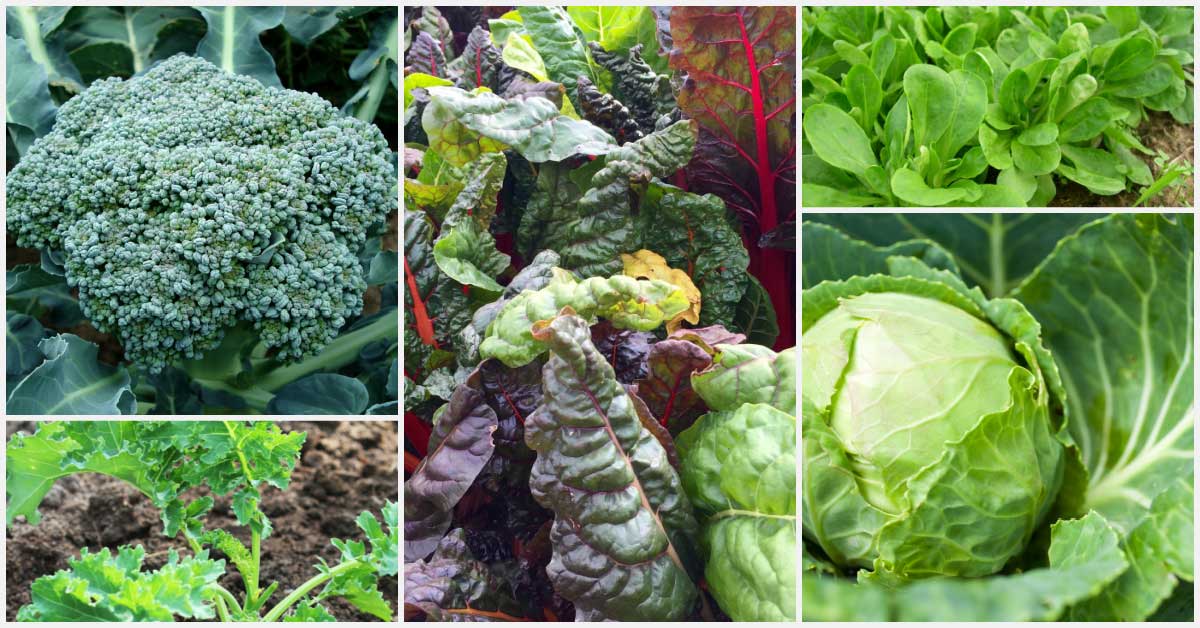
You can sow a variety of vegetable seeds in midsummer for late summer, fall, and winter harvests. Fast-growing varieties can be ready for harvest in just 4 to 8 weeks. Meanwhile, slower-growing, cool-tolerant crops can thrive in the garden throughout the winter—even in colder climates—with some weather protection.

For additional tips and tasks to complete before fall arrives, check out the Midsummer Garden Checklist.

Summer Sowing For Fall Vegetables

If you’ve been following this site for a while, you know I’m on a mission to debunk the myth that the gardening season—especially for food growing—ends with the summer.

Several years ago, I read Niki Jabbour’s book, The Year-Round Vegetable Gardener, and it transformed my approach to gardening. I had no idea you could grow vegetables all the way through fall and into winter!

To make this work, however, you need to start your plants in midsummer.

The beauty of cool-tolerant crops is that they don’t rely on pollinators and offer edible parts throughout their growth cycle, including leafy greens, scallions, beets, and kale. This means you can enjoy fresh food right up until the first frosts.

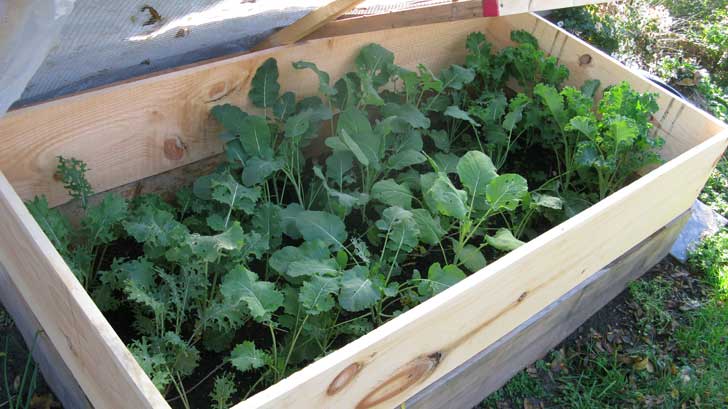
If you choose to continue gardening through winter, you’ll need some form of protection, such as tarps, polytunnels, frost cloths, or cold frames. To help you get started, check out this list of 10 vegetables to grow in winter.

And yes, you can also grow crops like leafy greens indoors at any time!

The key is to get your seeds started so you don’t miss out on the harvest.

Getting Started

Even if you’re not looking to cultivate a large fall or winter garden, it’s worthwhile to grow a single bed or a few containers filled with essentials like leafy salad greens and learn as you go.

You can continue growing until the frosts arrive or keep your plants going with protective covers.

In my first few years, as winter approached, I simply placed tarps over my tall raised beds, and that was enough to withstand our winter lows of -10°C (14°F).

START YOUR FALL SEEDS IN MIDSUMMER

  1. Make a sowing plan.
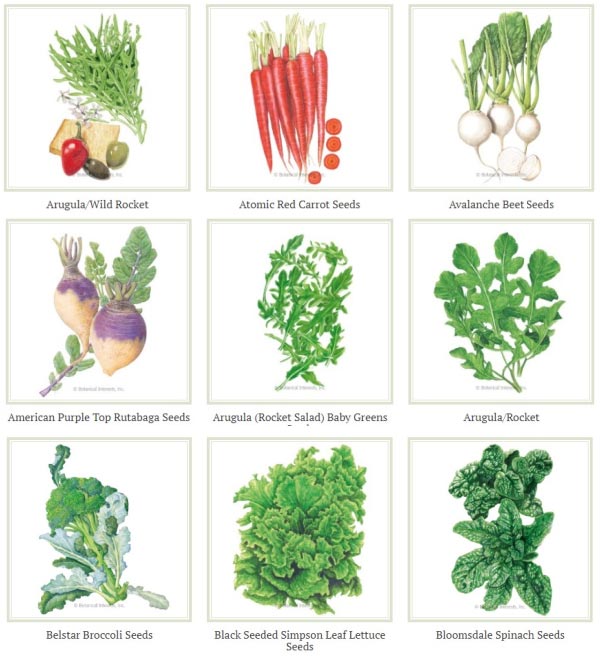
  2. Get your seeds ordered.
  3. Start the slowest-growing crops first.

Begin sowing in midsummer to ensure the plants have enough time to establish themselves. I prefer starting slower-growing crops like broccoli and cauliflower indoors, where they’re sheltered from the summer heat. Fast-growing varieties can be sown directly outdoors in a part-shade garden bed.

Keep in mind that for winter vegetables, growth may slow or halt during the colder months, so the usual days to maturity may not apply. For example, broccoli sown in midsummer will gradually stop growing as fall turns to winter and daylight diminishes. The plant will essentially go dormant under its winter cover and resume growth in spring when the light and warmth return.

One of the wonderful aspects of cool-tolerant crops is that many vegetables, such as beets, carrots, and parsnips, become sweeter after exposure to frost as their starches convert to sugars.

Seed Sowing Plan

SOW INDOORS MIDSUMMER UNDER GROW LIGHTS

These are the slow-growing crops that need to be established before the frosts arrive. With some protection, they can handle winter cold quite well.

I start this group indoors under standard fluorescent or LED lights and then transplant them outdoors in late summer. You can check out my indoor seed-starting setup here. This method is also a great workaround if your summer is too hot and humid for effective outdoor sowing.

Seed catalogs often provide suggestions for specific varieties that thrive in cooler weather or require cooler conditions to prevent bolting (going to seed prematurely). There are hundreds of options available!

Group 1:

  • Broccoli
  • Brussels sprouts
  • Cabbage
  • Cauliflowe
  • Collards
  • Endive
  • Escarole
  • Kale
  • Leeks
  • Rutabaga
  • Scallions

SOW OUTDOORS MIDSUMMER

This group includes both fast and slow-growing crops, depending on which part of the plant you intend to eat.

If you’re aiming for mature crops (root vegetables), start sowing in midsummer. Otherwise, you can plant them alongside Group 3 in late summer and enjoy the baby leaves, shoots, and small fruits and roots.

Choose a slightly cool or shady location to help prevent bolting, especially if you experience late summer and fall heat waves, as we often do.

Group 2:

  • Beets
  • Carrots
  • Peas
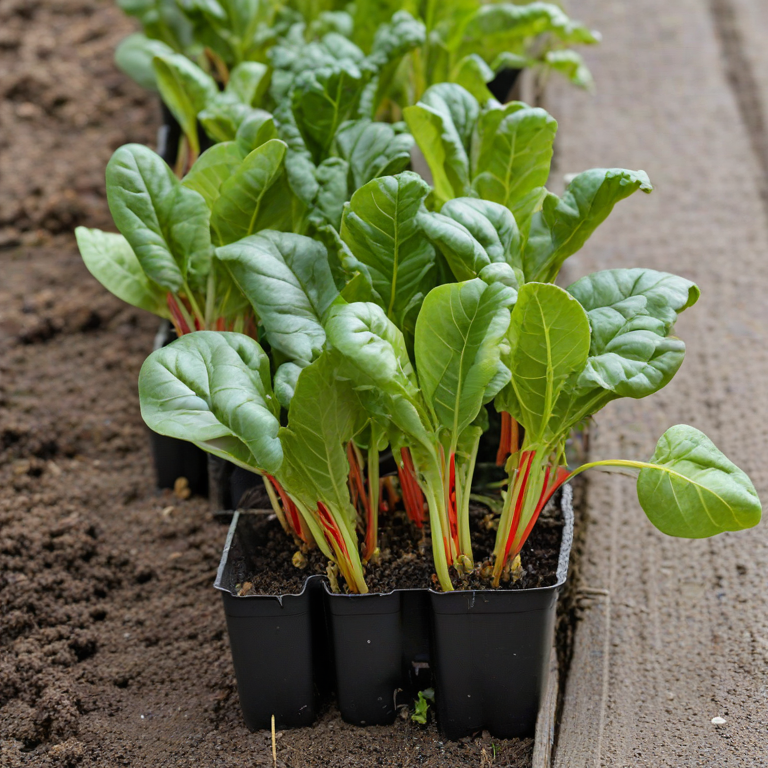
  • Swiss chard

SOW OUTDOORS LATE SUMMER

Many of these plants take only 20-30 days to mature, and you can start enjoying them as they grow.

You can sow them directly in the ground or in containers—whatever suits your available growing space. For a continuous harvest, consider sowing seeds on a weekly basis.

To keep things simple, look for seed packs labeled as “mesclun mix,” which often contain a variety of greens.

To extend your harvest beyond the frosts, be sure to add protective covers.

Group 3:

  • Arugula
  • Claytonia
  • Chicory
  • Endive
  • Mache
  • Mizuna
  • Mustard greens
  • Pak choi
  • Radicchio
  • Radishes
  • Spinach
  • Tatsoi

HERBS TO GROW LATE-SUMMER

As mentioned, all of these are suggestions, and results will vary depending on your growing zone and conditions. Be sure to check the “days to maturity” to get an idea of the time required for each herb.

It’s also possible to grow some of these herbs indoors during the winter if you have adequate light. For tips on indoor herb gardening, see How to Grow Herbs Indoors.

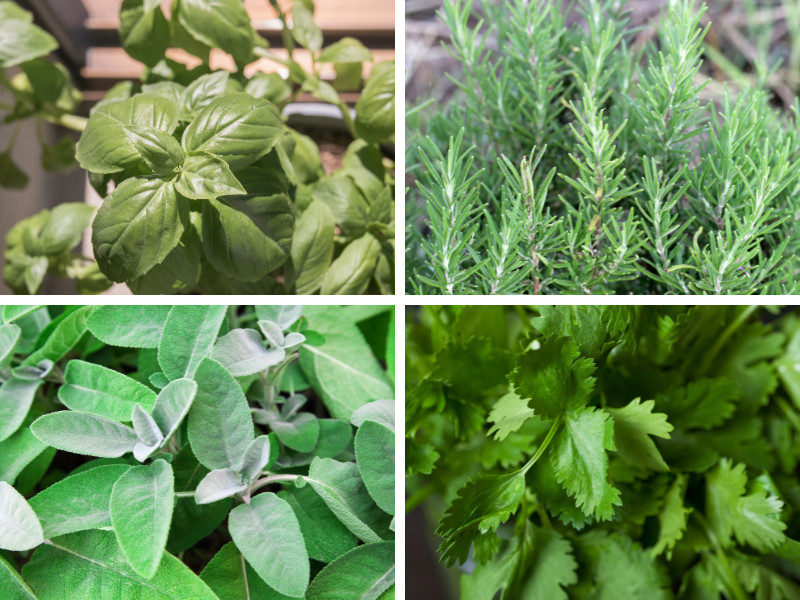
Herbs:

Annual Herbs

  • Chervil
  • Cilantro
  • Dill
  • Mint ( in a container – it’s invasive )
  • Parsley (can survive winter with cover )

Perennial Herbs

  • Chives
  • Lavender ( use cuttings )
  • Rosemary ( use cuttings )
  • Sage
  • Thyme

Resources

FREE PRINTABLE

This two-page list provides vegetable and herb seeds to sow in mid or late summer for cool weather growing.

Keep in mind that different varieties of the same vegetable can have varying growth rates, so be sure to check your seed packets to ensure you allow enough time from seed to harvest. I’ve included a suggested schedule in the file for your convenience.

CONCLUSION

In conclusion, extending your gardening season into the fall and winter is not only possible but also rewarding. By carefully selecting and sowing the right vegetables and herbs in midsummer, you can enjoy fresh produce well into the colder months. Whether you choose to start slow-growing crops indoors or opt for quick-maturing varieties, there are plenty of options available to suit your growing conditions.

Remember to monitor the days to maturity and consider using protective covers to shield your plants from frost. With a bit of planning and the right techniques, you can create a thriving garden that provides nourishment throughout the year. Happy gardening!