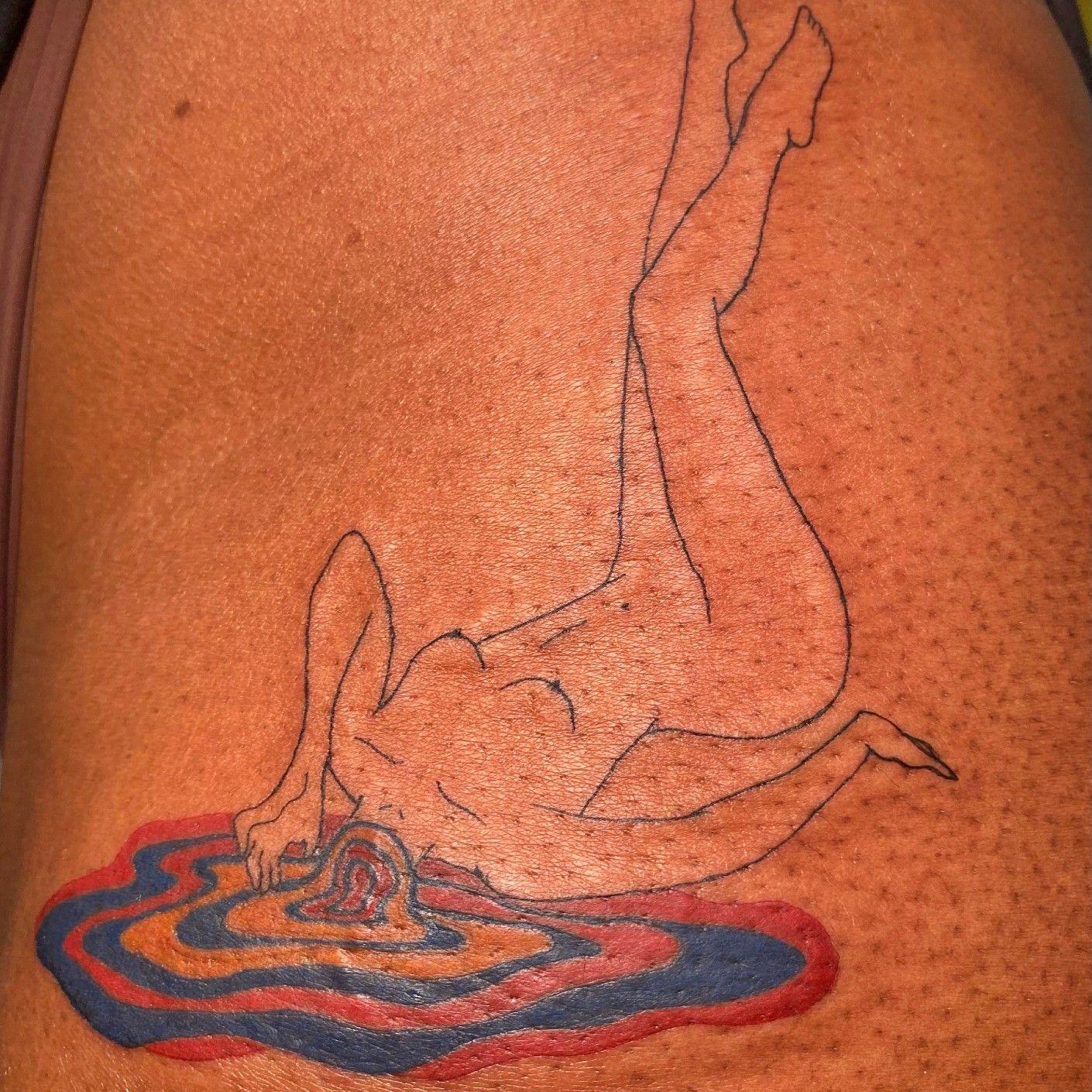
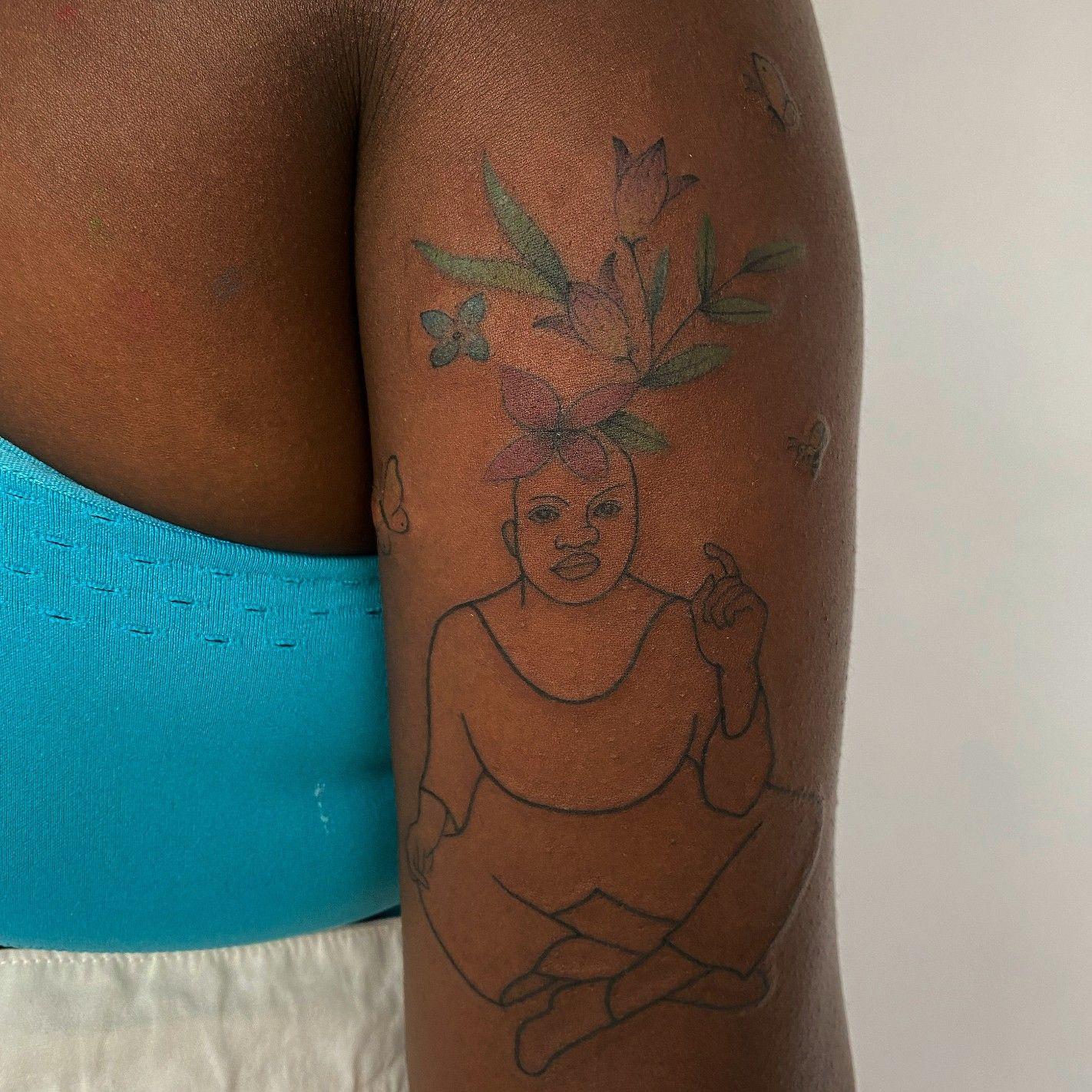
20 BEAUTIFUL TATTOOS ON DARK SKIN

Tattoos are a powerful form of self-expression, and ink on dark skin is undeniably beautiful. However, achieving the best results requires an understanding of melanin-rich skin and the techniques that work best for it. This isn’t about restrictions—it’s about recognizing the unique characteristics of darker skin tones to create stunning, long-lasting tattoos. Here’s what we’ll cover:

THINGS TO CONSIDER WHEN CHOOSING A TATTOO FOR DARK SKIN

The first and most important step when getting a tattoo on dark skin is choosing an artist with experience working on a range of Black and brown skin tones. Tattooing melanin-rich skin requires specific techniques to ensure bold, clean results that complement your unique undertones. A skilled artist will understand how to enhance your skin’s natural beauty rather than working against it. To find the right fit, review their portfolio to see if they have successfully tattooed clients with a similar skin tone to yours.

For inspiration and guidance in finding an artist who specializes in darker skin tones, check out Ink the Diaspora. This platform showcases high-quality tattoos on melanated skin while also amplifying visibility for minorities in the tattoo industry.

While tattooing darker skin may require a slightly different approach than lighter skin, it is by no means more difficult or impossible. Unfortunately, many people with dark skin have been misled into thinking the process is more challenging or will result in lower-quality tattoos—but this is simply not true.

TATTOOING DARK SKIN VS LIGHT SKIN

Tattooing deeper skin tones involves specific techniques and color choices to ensure the design remains vibrant and visible. When ink is deposited into the dermis—the middle layer of skin—the epidermis (the outer layer) acts as a natural filter. The more melanin present, the less transparent this filter becomes, which can affect how lighter colors and fine lines appear on the skin.

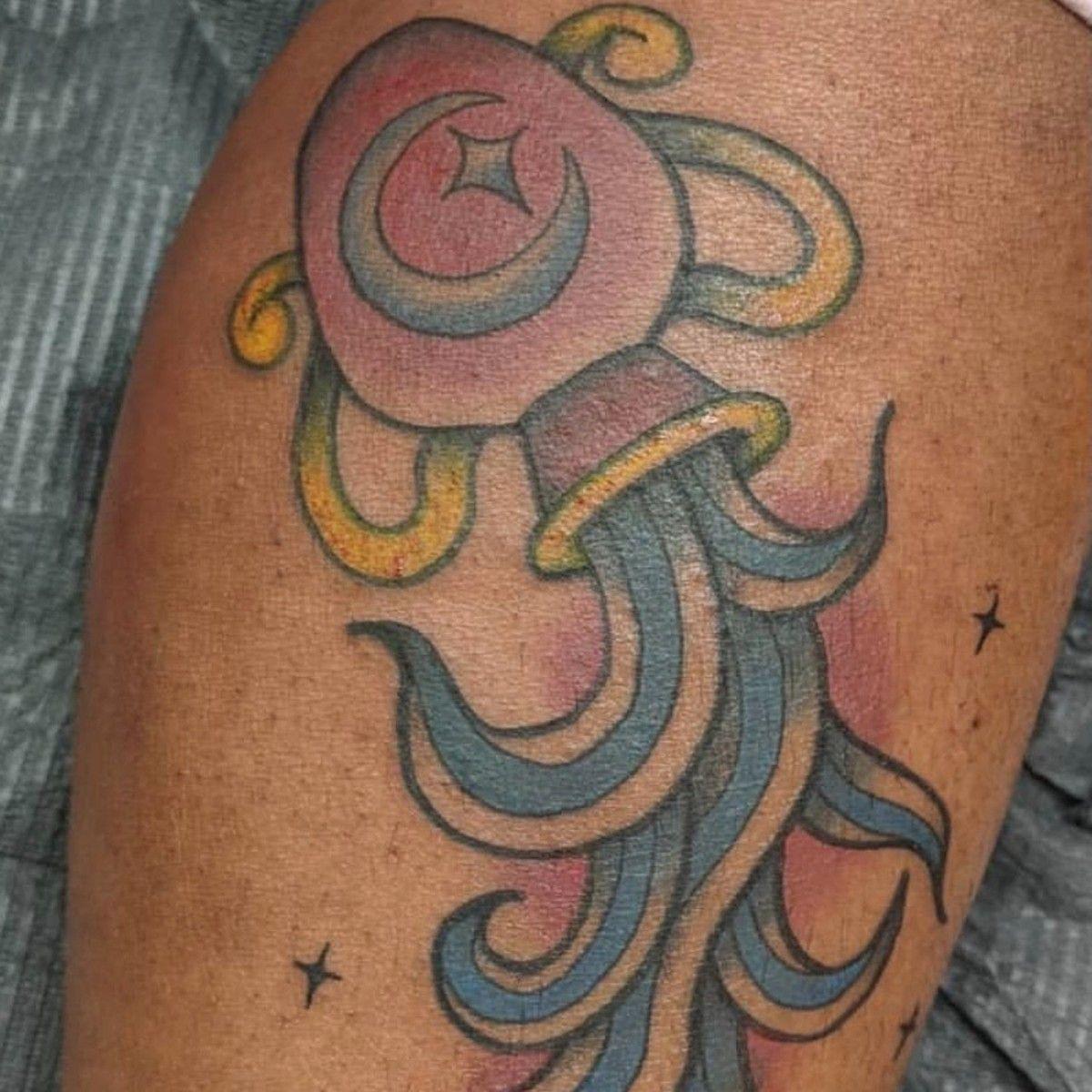
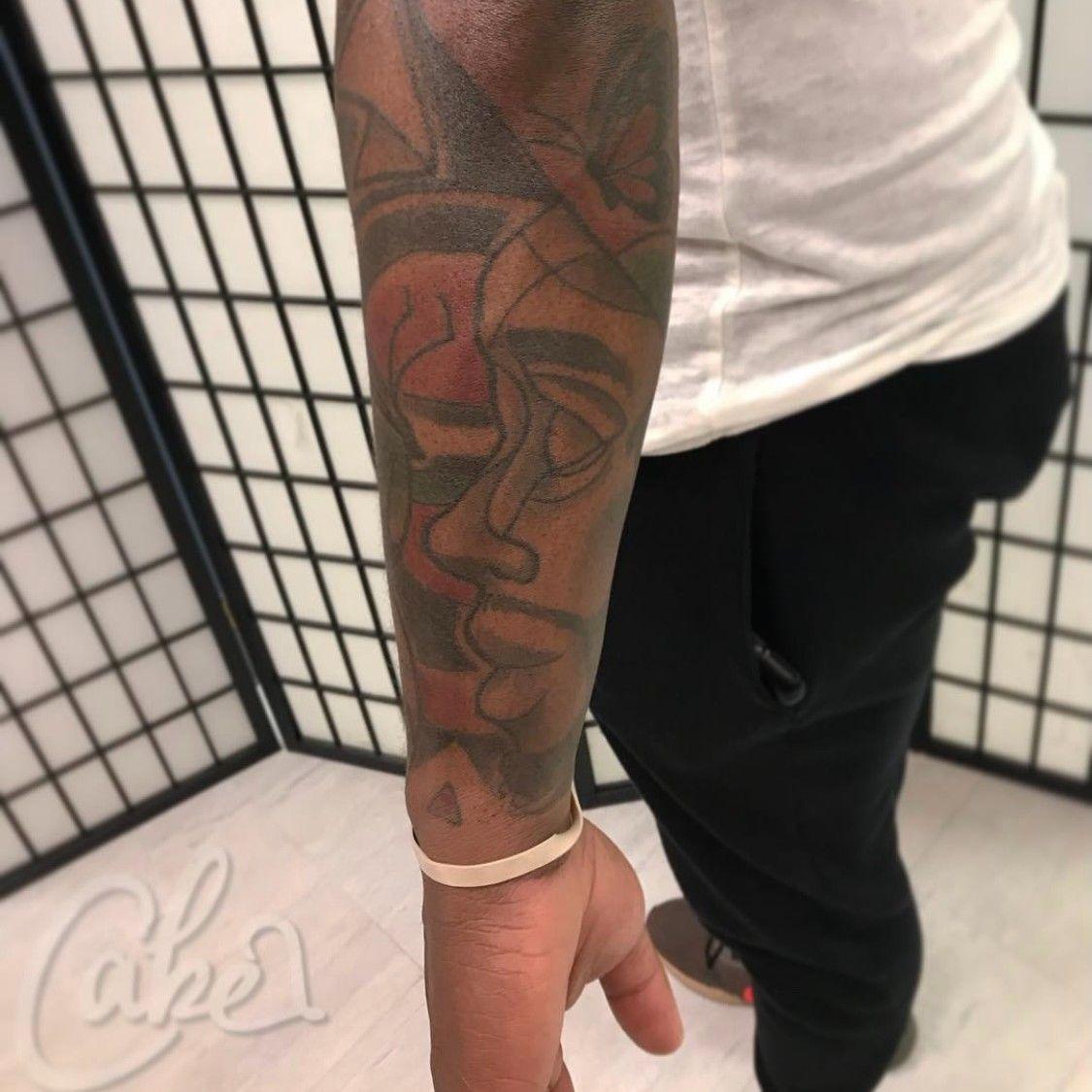
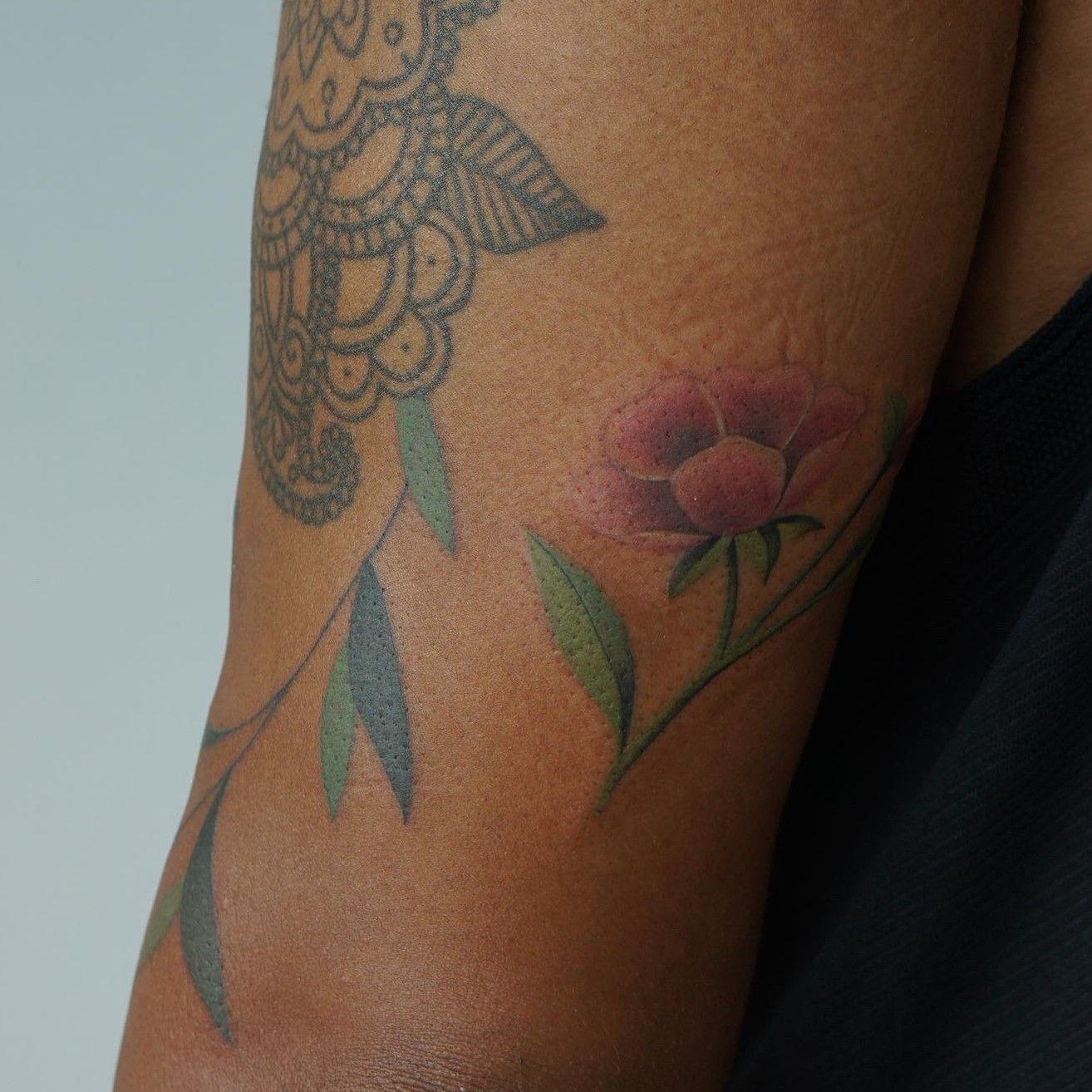
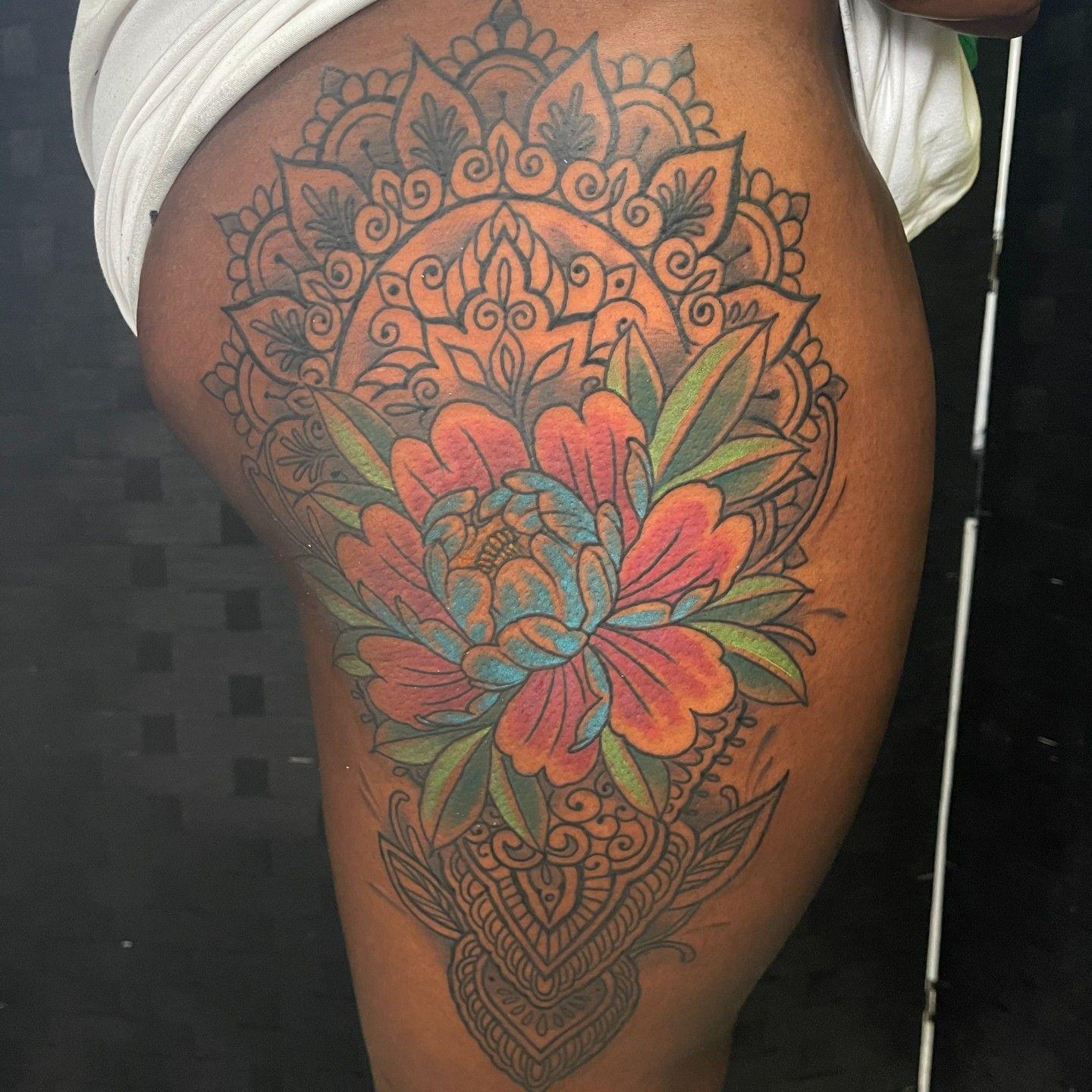
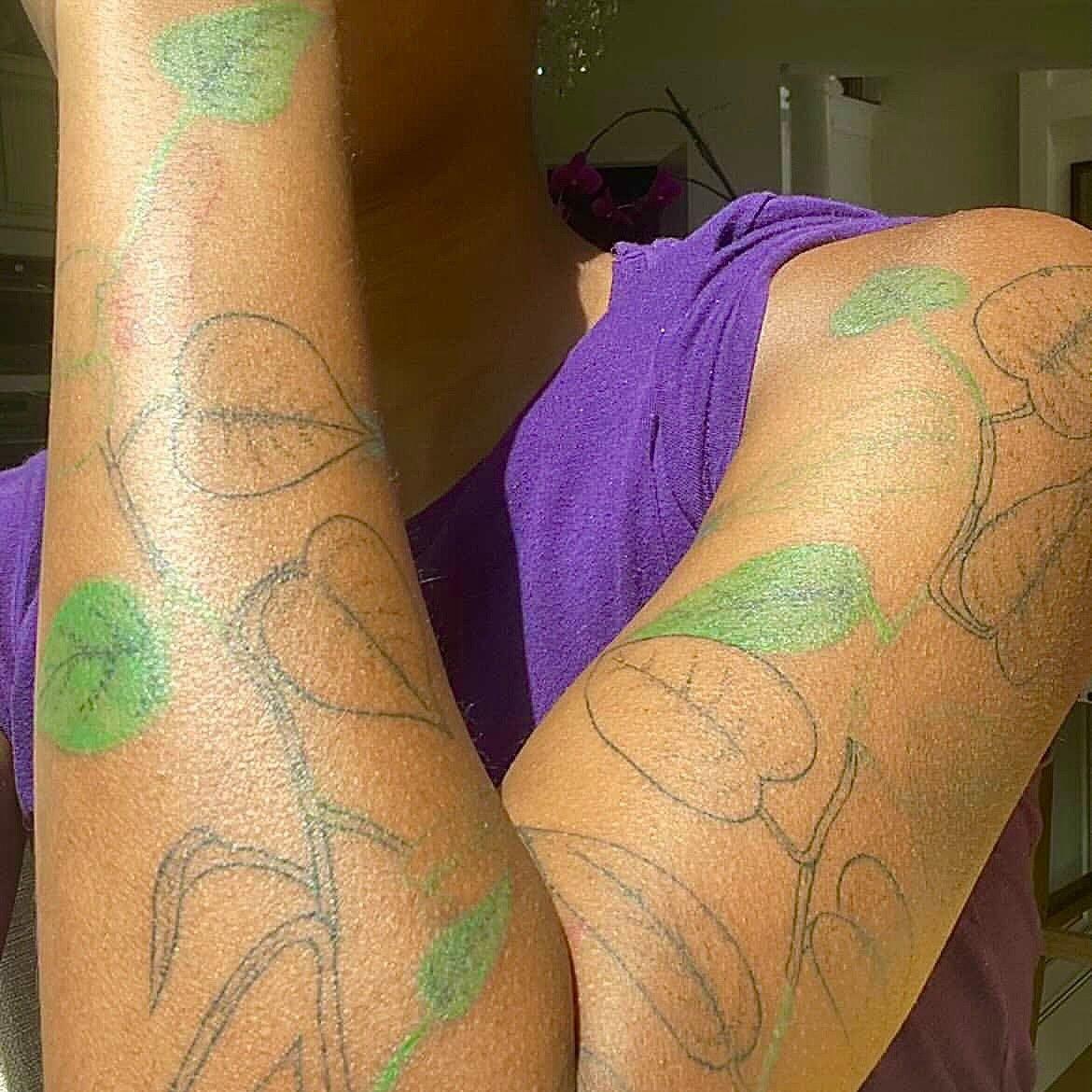
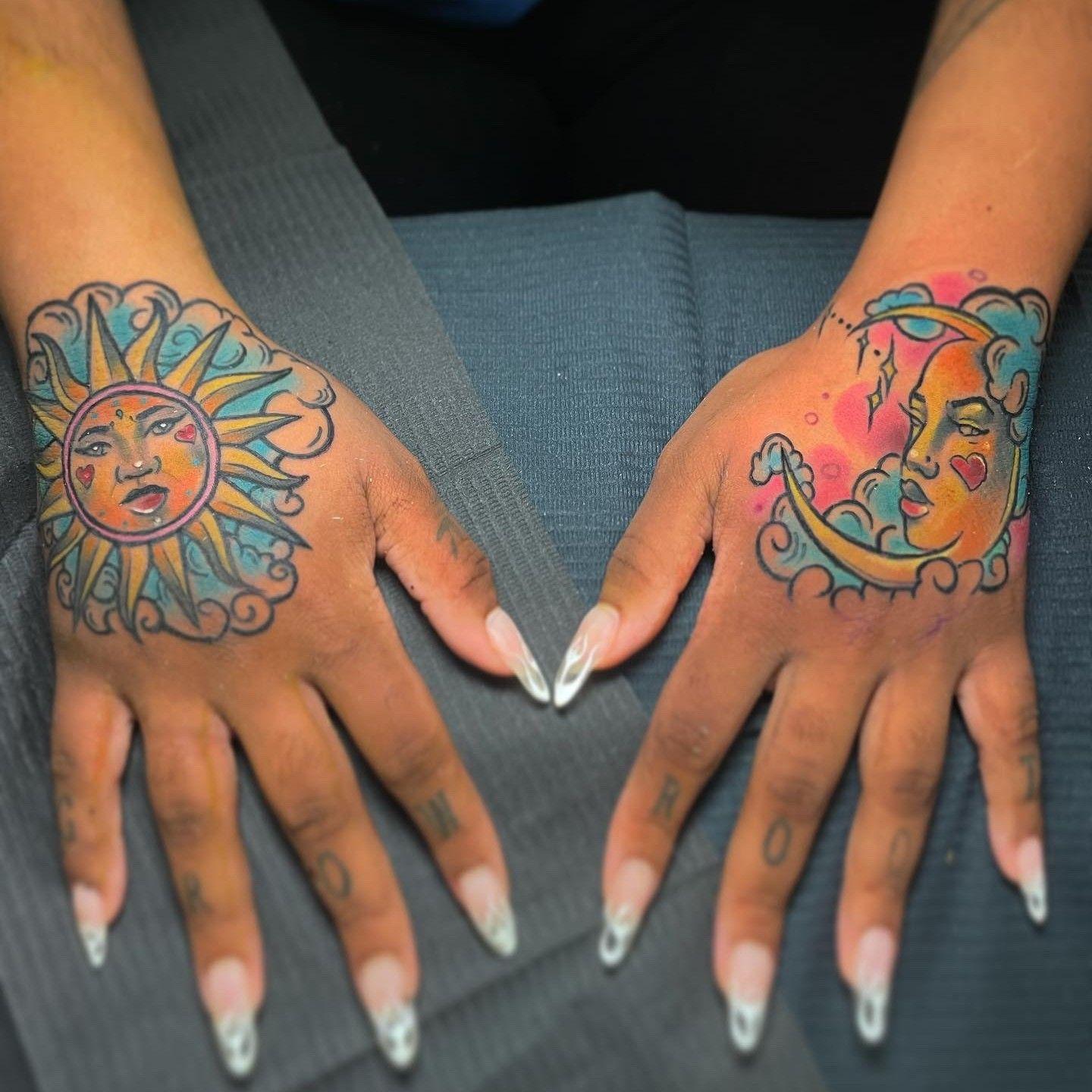
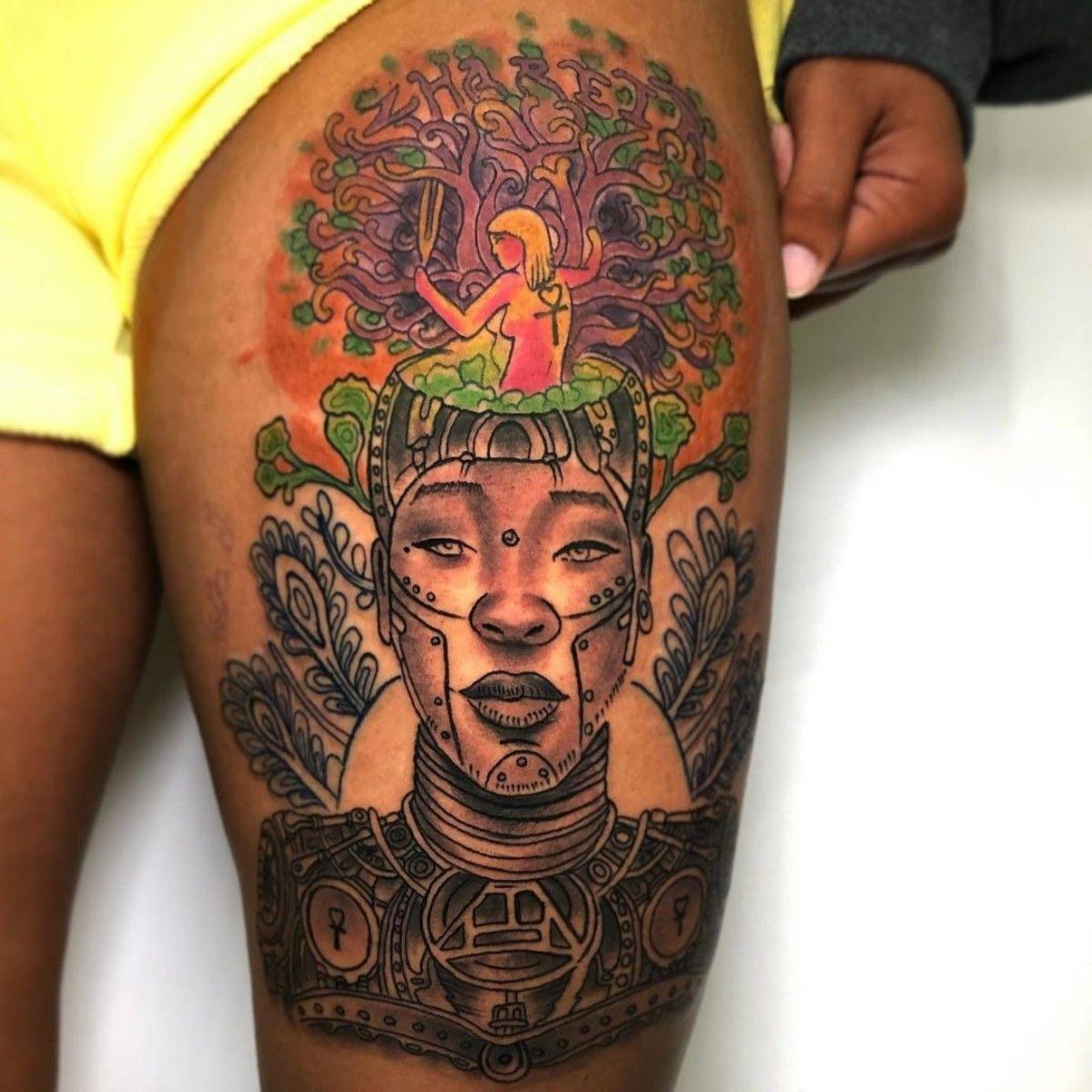
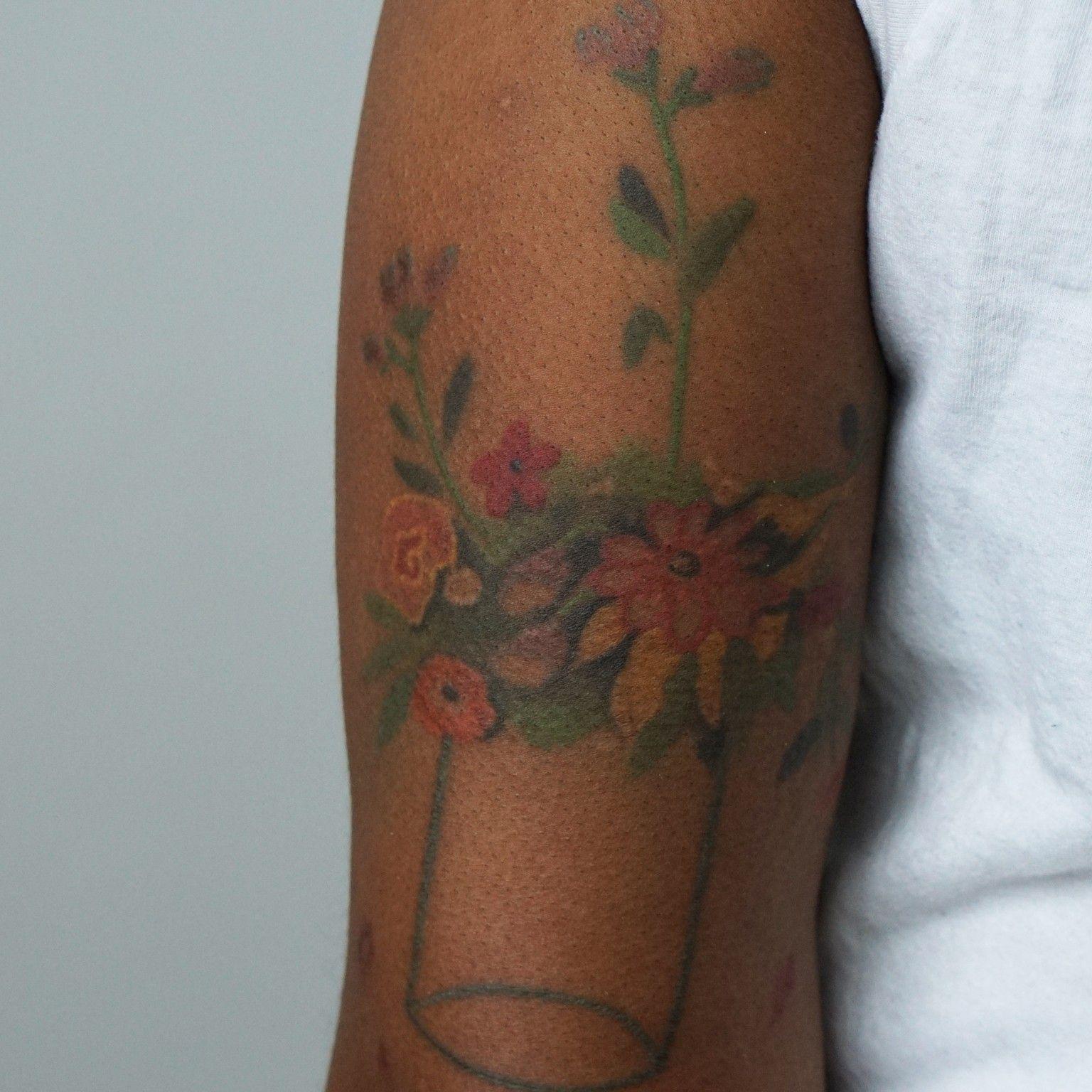
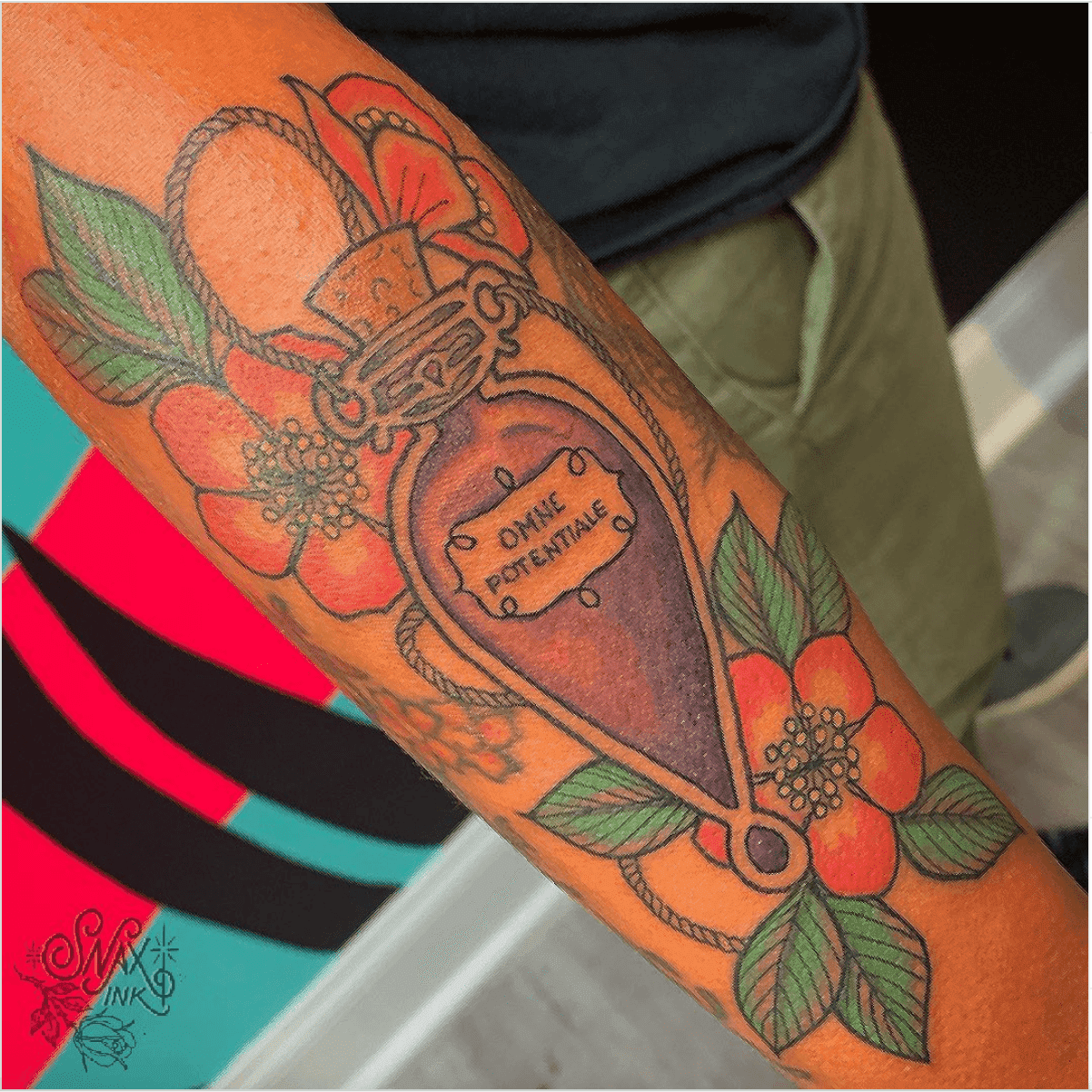
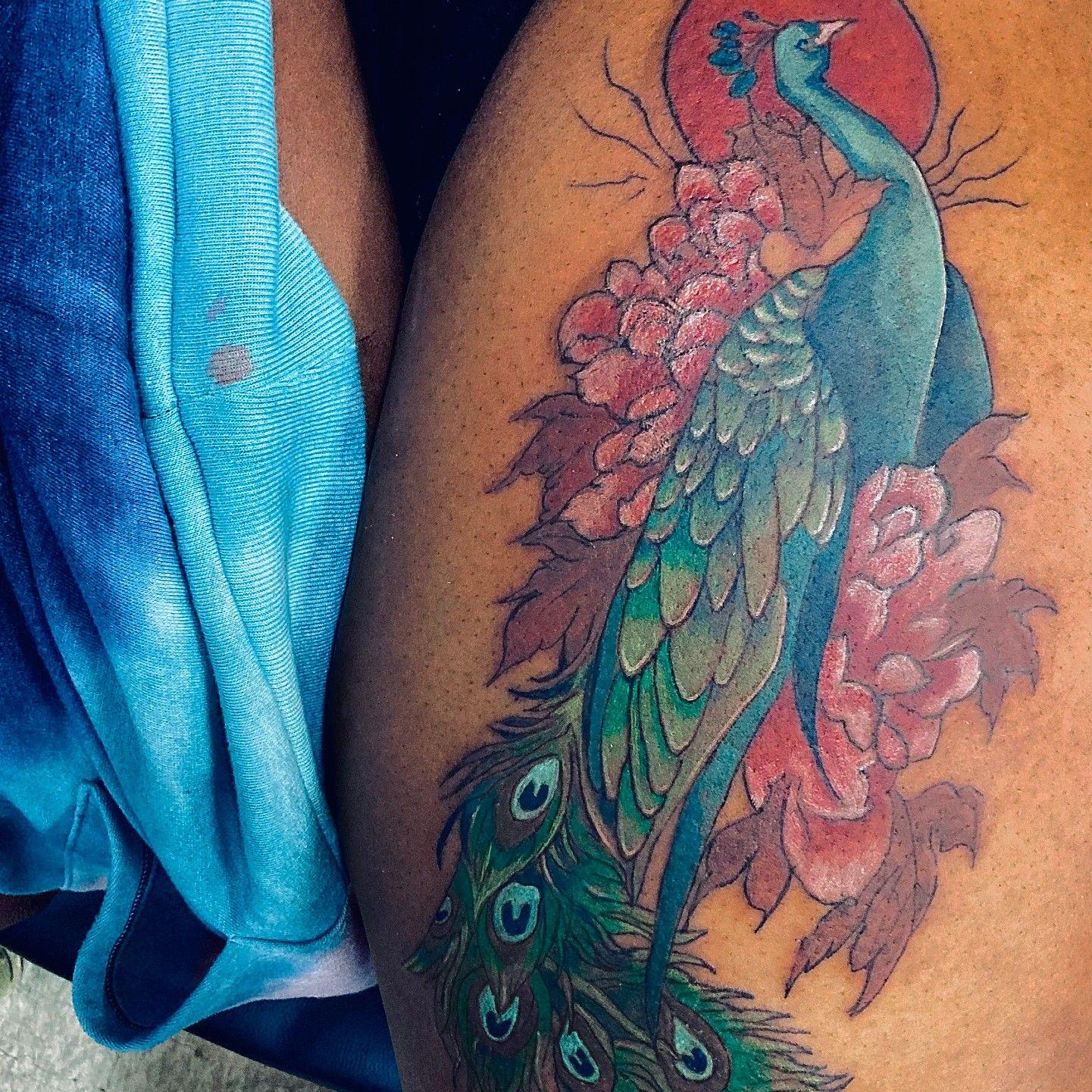
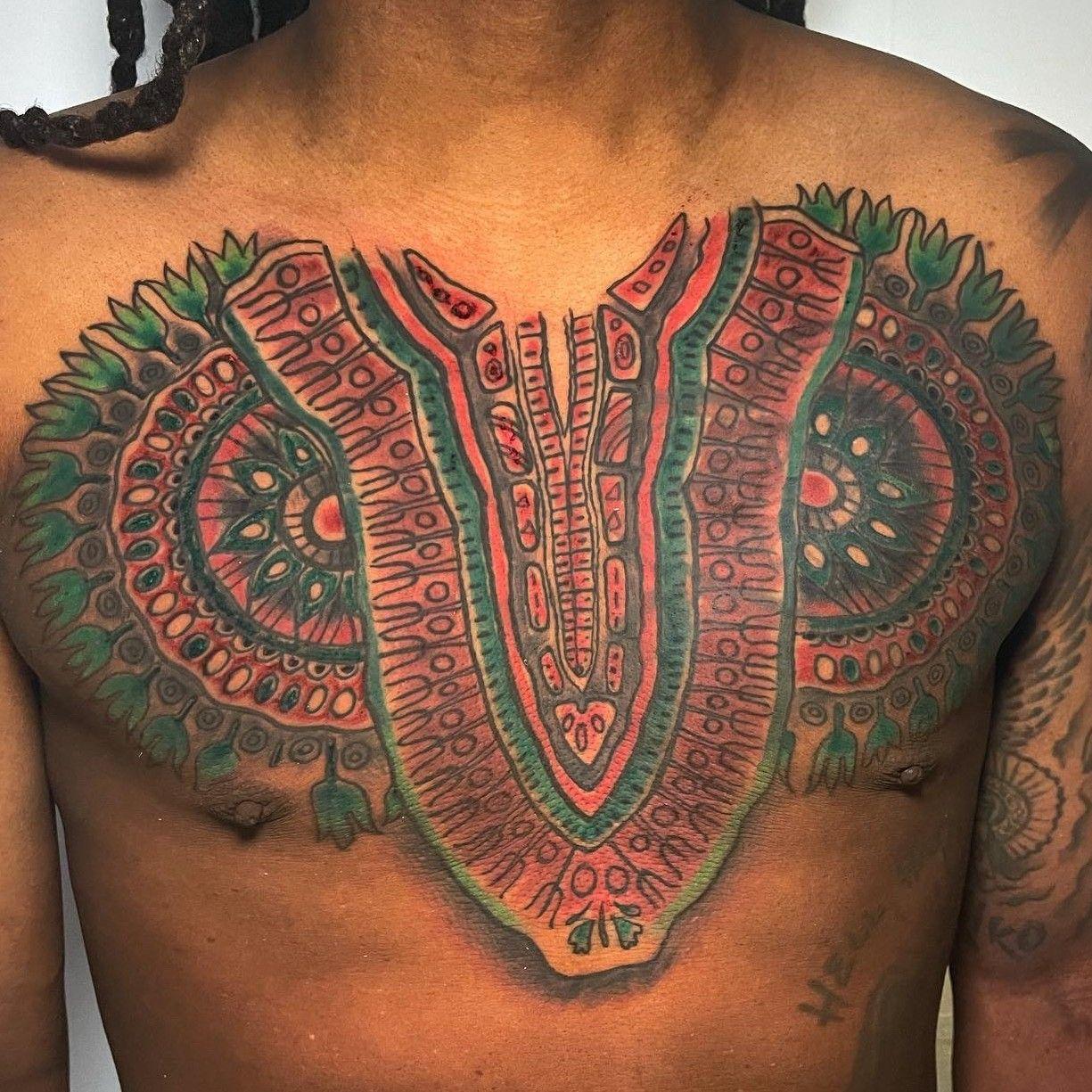
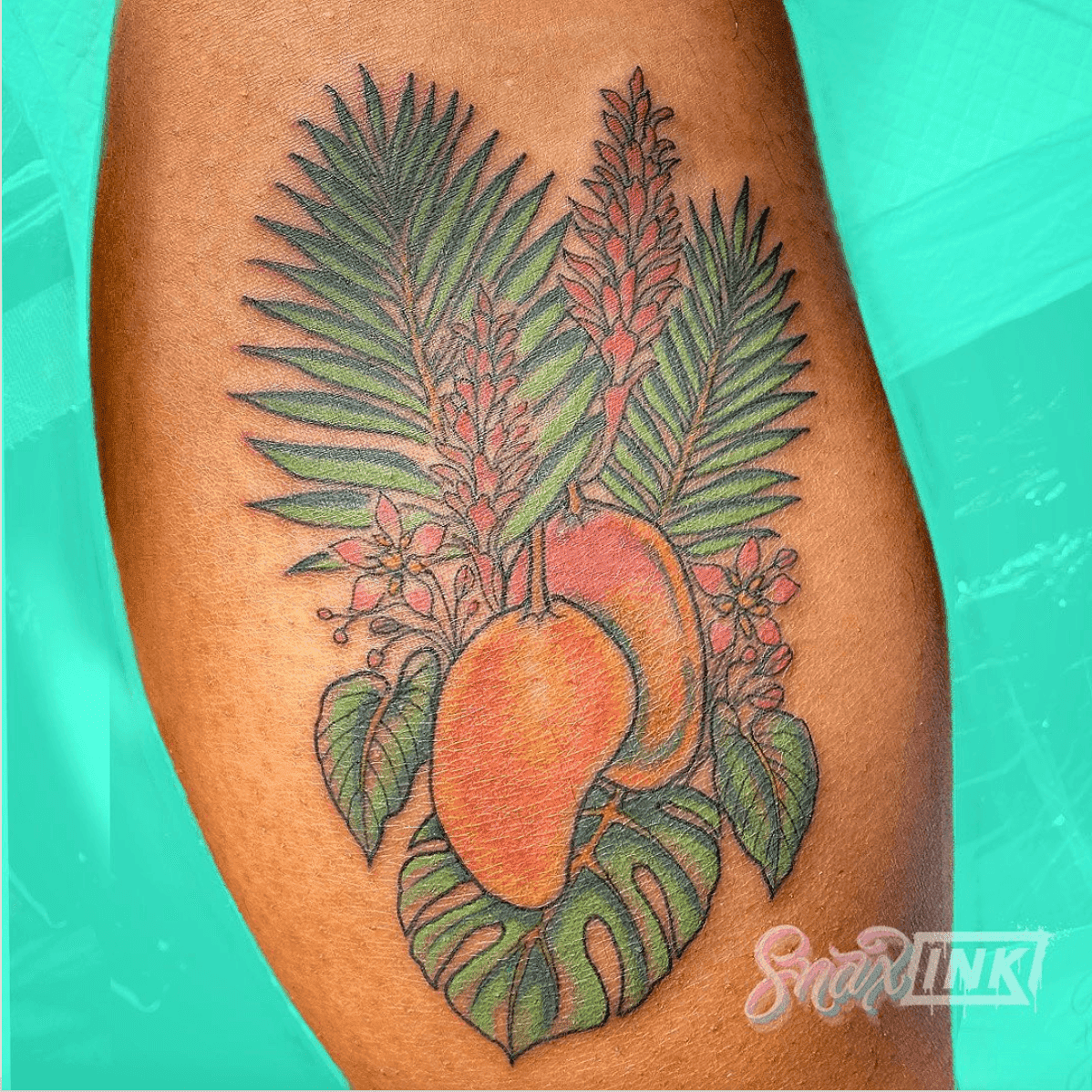
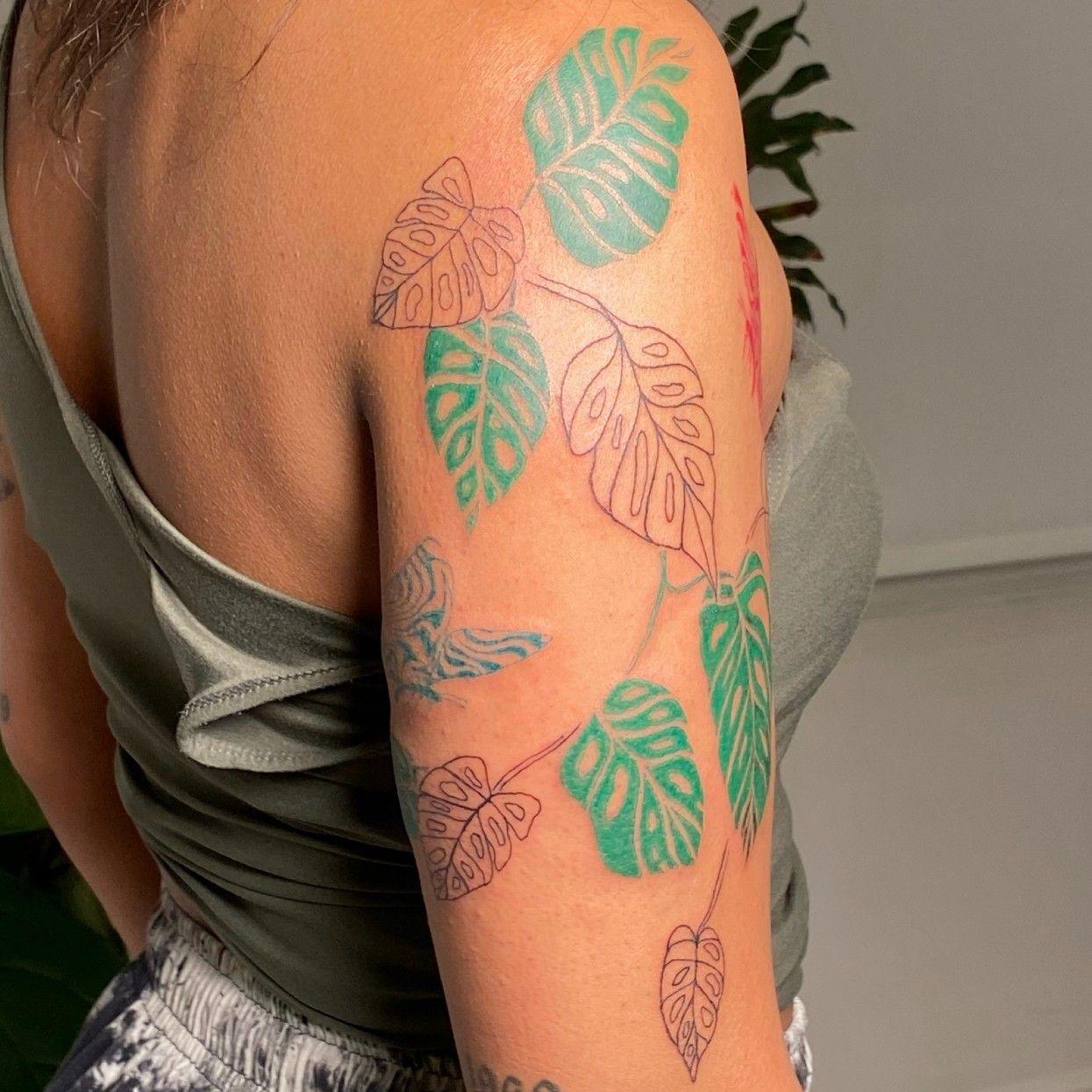
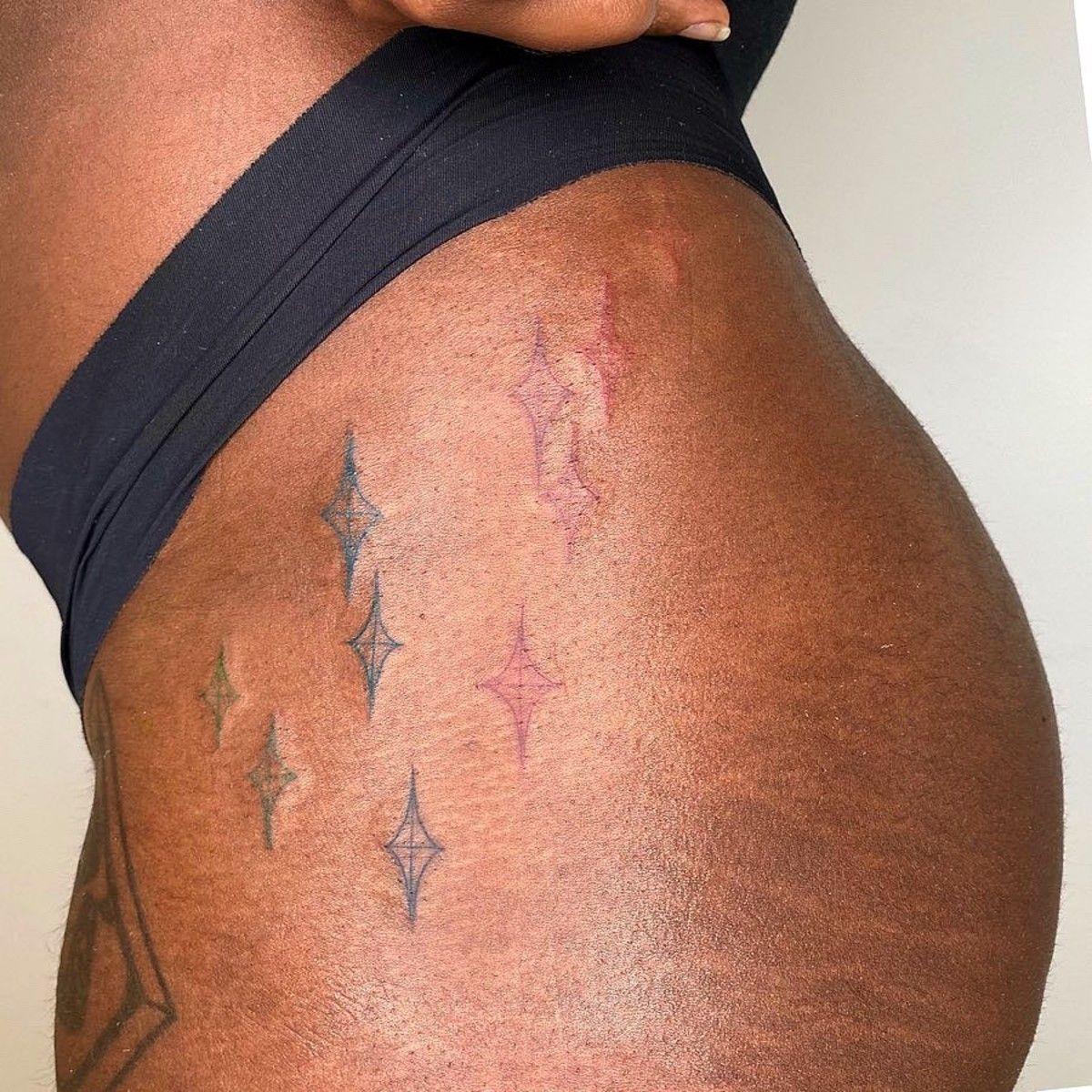
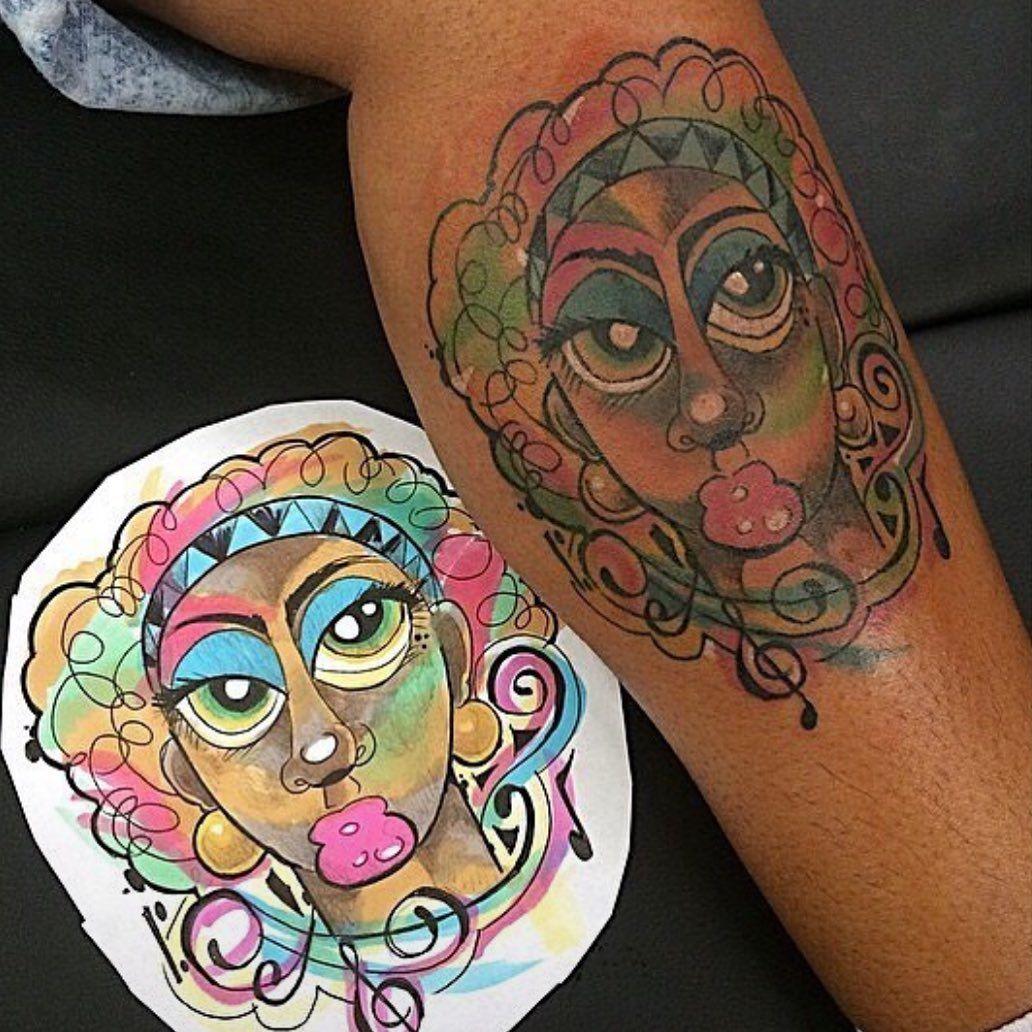
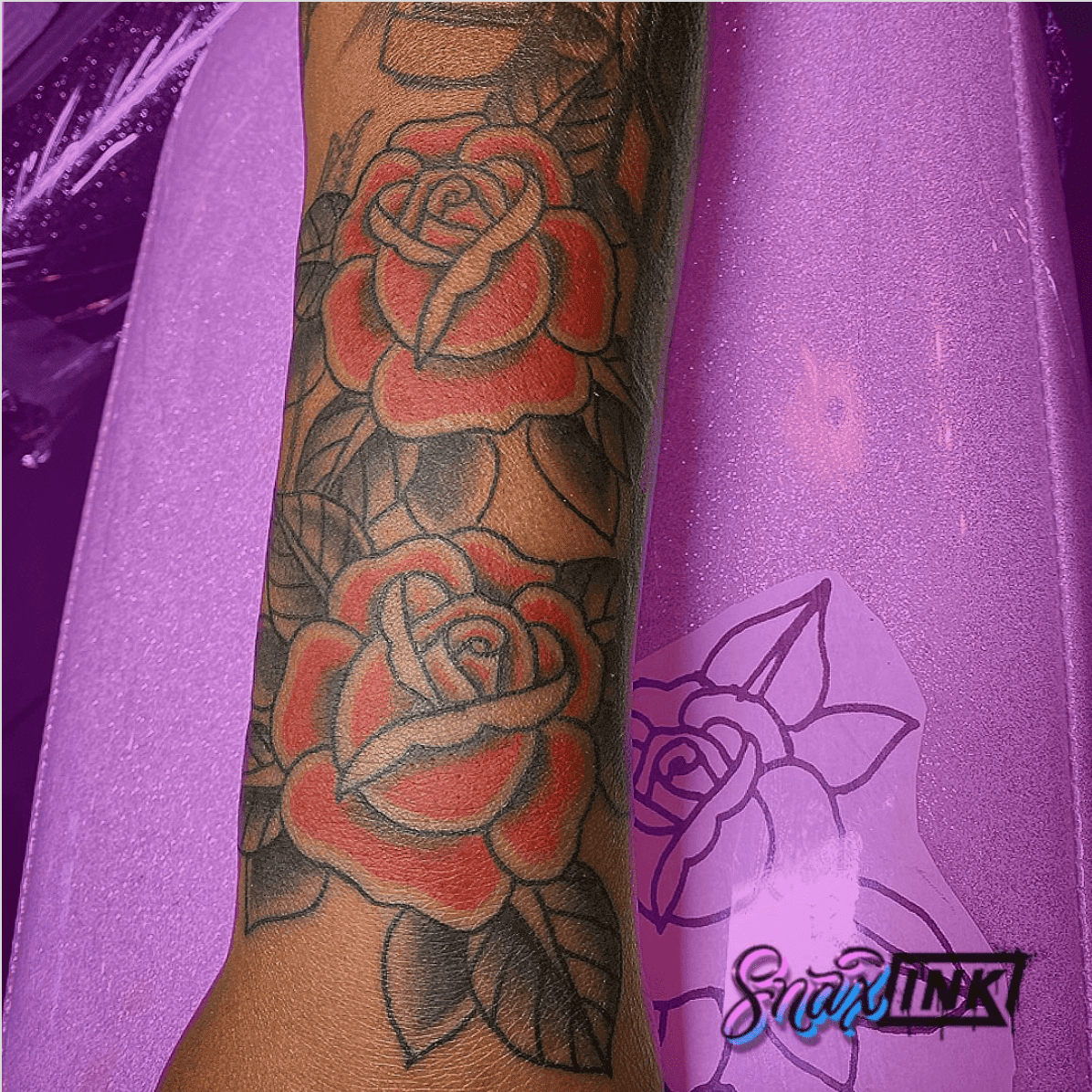
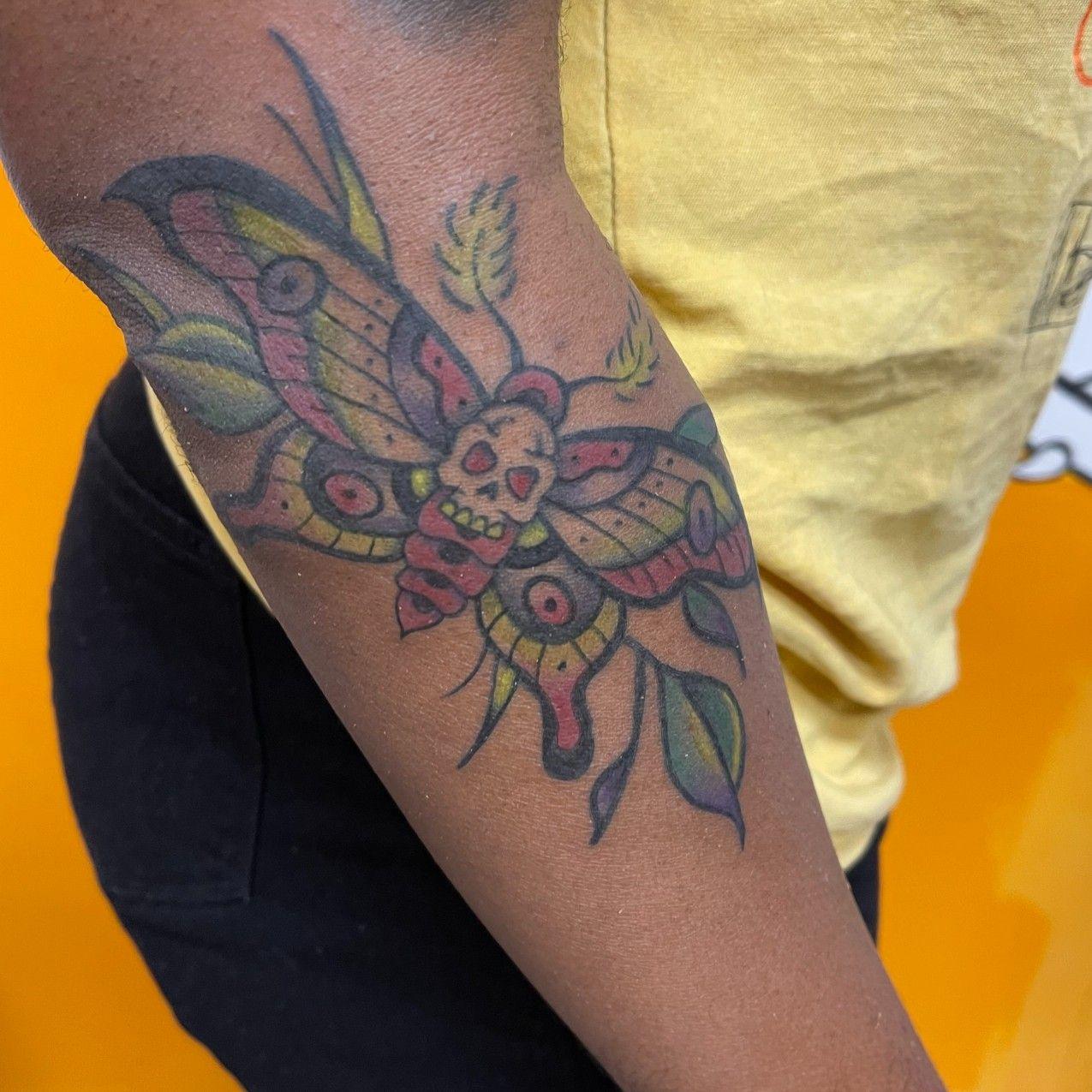
That said, color tattoos are absolutely possible on Black and brown skin. The key is selecting bold, saturated hues that provide contrast, especially in the summer when your skin may be at its darkest. Shades like black, red, and green tend to show up well, but a skilled artist will guide you in choosing the best colors, shading techniques, and line thickness to bring your tattoo to life. Take a look at the 20 tattoos for black people that we have compiled to see how beautiful they are.
THE SEASONAL COLOUR ANALYSIS. WHAT COLOUR SUITS YOU BEST?

Seasonal color analysis is a system that helps you identify the colors that harmonize most beautifully with your natural features, making you look radiant and vibrant. By understanding your unique color palette, you can make informed choices about clothing, makeup, and accessories that enhance your natural beauty.

MASTER CLASS IN PILLS

When it comes to fashion, you can play it safe with neutral tones or follow trends like the color of the year, but the best choice is often finding a palette that complements your skin tone. Wearing the right colors can make you glow, while the wrong ones can leave you looking dull and tired. If you’re fond of a color that doesn’t quite suit you, simply use it as an accent.

WHAT IS “COLOR ANALYSIS”?

Seasonal color analysis is a process that determines the best colors for an individual’s natural coloring. By assessing factors like skin tone, hair color, and eye color, a consultant will use drapes from different color palettes (known as “seasons”) to find the most compatible colors for you. This analysis helps identify which colors have a positive or negative effect on your appearance.

Each person has their own “season,” and this is the magic of color harmony.

A Brief History of Color Analysis

The concept of color analysis dates back to German writer Johann Wolfgang von Goethe, who developed “color psychology.” American artist Albert Munsell further explored color by classifying it into value, hue, and chroma. In 1928, Johannes Itten, a professor at the Bauhaus, suggested that portraits looked better with certain colors based on a person’s skin and hair tones.

Robert C. Dorr developed the Color Key System, classifying complexions as either cool or warm. Fashion designer Suzanne Caygill, influenced by this system, popularized color analysis in the 1950s, focusing on how color affects style and personality. Bernice Kentner’s book Color Me a Season further refined this concept, while psychologist Carole Jackson’s Color Me Beautiful simplified it for the general public in the 1980s.

HOW TO DETERMINE YOUR SKIN TONE

The first step in color analysis is identifying whether your undertone is warm or cool. Undertones are determined by hemoglobin, carotene, and melanin, and they remain constant throughout your life, unlike skin overtone, which can change with sun exposure or other factors.

Here are a few methods to determine your undertone:

  • Foundation Test: Dab pink-based foundation on one cheek and yellow-based foundation on the other. The one that blends in is your undertone. Pink indicates cool, while yellow signals warm.
  • Gold vs. Silver Test: Hold gold and silver jewelry near your face. If gold enhances your skin, you’re warm. If silver looks better, you’re cool.
  • Vein Test: Look at the veins on your wrist. If they appear blue, you have a cool undertone. If they’re green, you have a warm undertone.
  • Sun Test: People with olive skin that tans easily tend to have warm undertones, while those with fair skin who burn are typically cool. However, darker skin tones can fall into either category.
  • Hair Test: Examine your natural hair color. Warm tones often have golden or copper undertones, while cool tones are ashy or dark brown. Redheads can be tricky, but if your hair is more auburn or strawberry blonde, you may have cool undertones.

By identifying your undertone, you can find colors that flatter your complexion, making you feel radiant.