STUNNING AND FEMININE FOOT TATTOO IDEAS IN VARIOUS STYLES

If you’re reading this, chances are you share my love for tattoos. After all, you wouldn’t be searching for articles on foot tattoos if you weren’t a fan. It’s likely that you’ve seen someone with a foot tattoo, admired how stunning it looked, and found yourself unable to shake the image from your mind.

I know that feeling all too well—whenever I really want something. If it’s ice cream, I can easily pop down to the store. But when it comes to tattoos, it requires a bit more thought. Foot tattoos aren’t the easiest choice; they come with both advantages and challenges. In this article, we’ll dive into these pros and cons, and share tips on how to keep your foot tattoo looking beautiful for years. Plus, we’ve got a collection of the most gorgeous foot tattoo ideas for women that will surely catch your eye!

WHAT YOU SHOULD KNOW BEFORE GETTING A FOOT TATTOO

When it comes to getting a tattoo, emotions often guide our decision, but it’s also important to involve thoughtful consideration. Foot tattoos, in particular, require careful planning and attention to detail to achieve a stunning result. Before diving into tattoo ideas, here’s what you should keep in mind.

PLACEMENT

Foot tattoos come in a variety of sizes, but because of the nature of the area, smaller to medium designs are typically more common. The placement of your tattoo will directly impact its size and appearance.

If you’re set on a foot tattoo, the first step is deciding where you’d like it to be. One popular choice is along the outer line of the foot. This area tends to have thicker skin, so the pain is generally less intense. However, keep in mind that tattoos in this area are more prone to fading over time.

The upper part of the ankle is another excellent choice. Tattoos in this spot tend to maintain their outline and color longer, making it a more durable option for long-lasting designs.

For those looking for something creative, paired tattoos are a fun option. One half of the design is placed on one foot, and the other half is placed on the opposite foot or even on a partner’s foot. When combined, the two tattoos form a complete image.

While tattoos on the sole of the foot are possible, they are less common. This is because they don’t last as long and can quickly lose their clarity. Additionally, the sole is a sensitive area, making it difficult for those who are ticklish or have sensitive feet. The design may also become less visible after a pedicure.

The side of the foot is another common and beautiful option. Tattoos here often create a striking effect. However, the safest and most popular spot is still the ankle area, as it offers a combination of visibility and longevity.

If you’re unsure about whether your feet are the best place for a tattoo, check out our article with tips and tricks on how to choose the perfect tattoo placement.

WHY WOMEN CHOOSE FOOT TATTOOS

For many women, a tattoo on the foot serves as a way to highlight the elegance and beauty of their legs. However, there’s a concern that over time, the foot may not be as flattering for tattoos. This thought often makes some women hesitant to commit.

As we age, issues like varicose veins or swelling can make foot tattoos lose their appeal. Even celebrities like Sarah Jessica Parker, Jennifer Aniston, and Elizabeth Hurley have been open about how foot problems can affect their appearance over time.

That being said, life is short, and it’s important not to let future uncertainties stop you from pursuing your desires. Who knows what the future holds? Embrace the present and enjoy every moment, including the chance to get the tattoo you’ve always dreamed of.

TATTOO IDEAS FOR WOMEN

Keep in mind that the most meaningful tattoo is the one you create, either on your own or in collaboration with a tattoo artist.

MINIMALIST DESIGNS
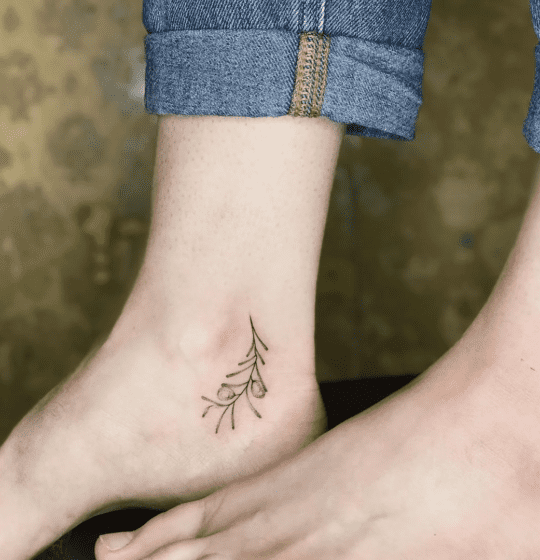
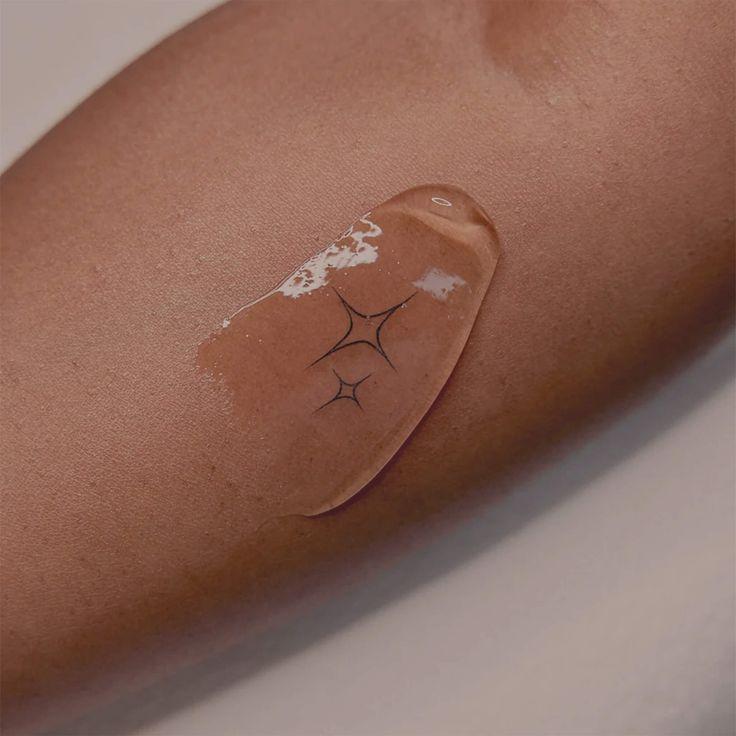
Minimalist tattoos are particularly popular among young women who prefer small, personal designs. They offer a subtle yet beautiful aesthetic, perfect for those who want a delicate touch without overwhelming their body with a large tattoo. Minimalism is a great way to keep your tattoo understated but deeply meaningful.

FLORAL DESIGNS
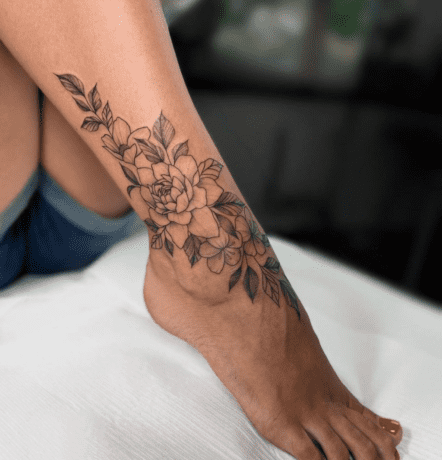
Flowers are a classic choice for foot tattoos, symbolizing joy and vitality. However, depending on the flower, they can also represent grief or unexpected loss. Each flower carries its own meaning, so choosing the right one allows for a deeply personal connection to the tattoo.

BUTTERFLY TATTOOS
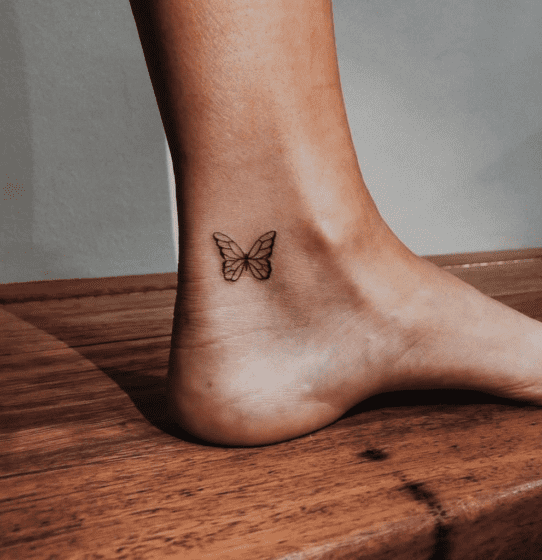
Butterflies are symbols of independence and freedom. In nature, butterflies effortlessly float from flower to flower, embodying lightness and the freedom to move. As the feet are the foundation of movement, butterfly tattoos on the feet carry both symbolic and aesthetic significance.

SCRIPT INSCRIPTIONS
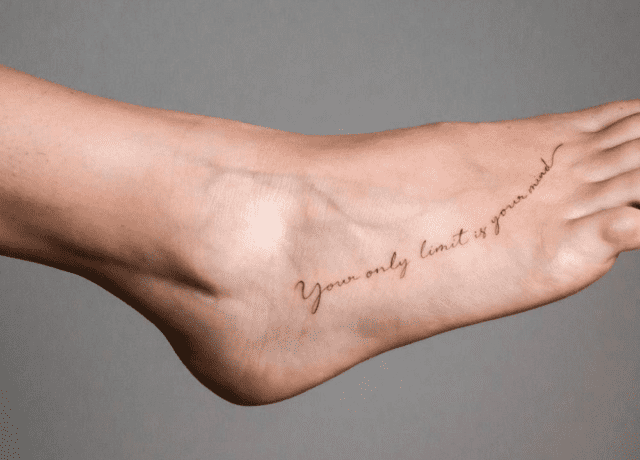
Words or phrases as tattoos are a popular choice for many people, and feet are no exception. You can opt for a single word or a longer phrase, running it along your foot. If you prefer to keep the tattoo private, you can place it somewhere that summer shoes can easily hide, offering a personal secret just for you.

ORNAMENTAL TATTOOS
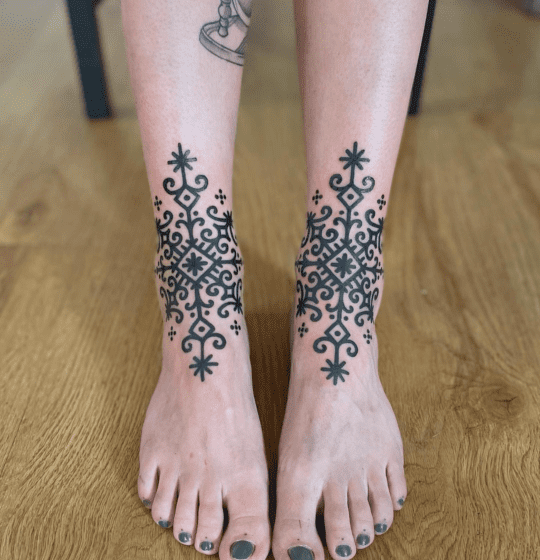
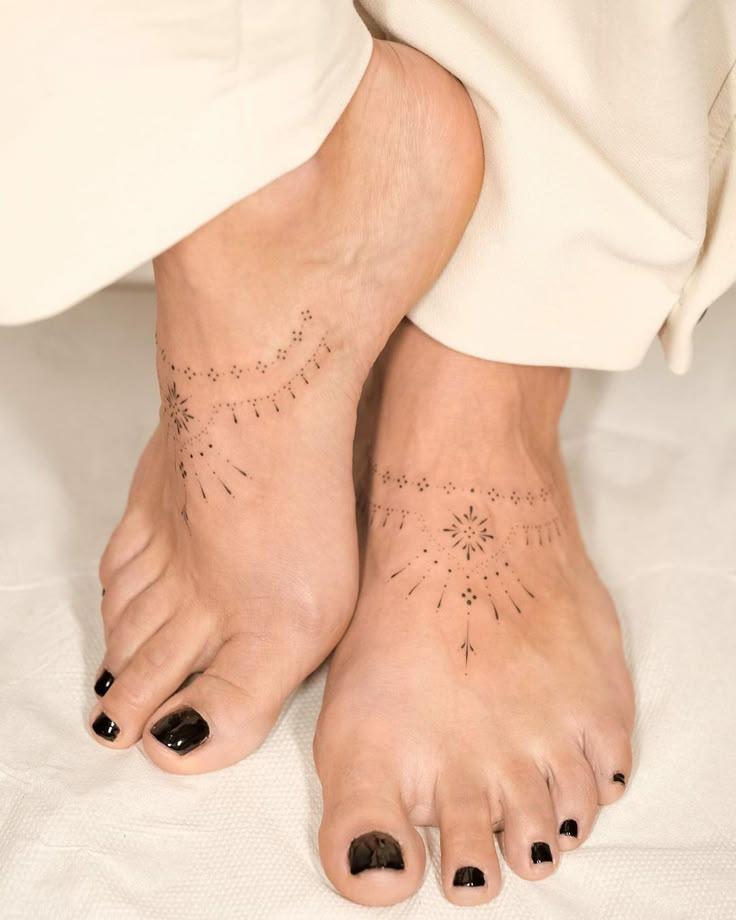
Ornamental tattoos are a prominent style in the 21st century. In ancient times, body ornaments were used for significant occasions, carrying deep meaning. Today, many people choose ornamental tattoos to decorate their bodies, while some still incorporate symbolism. These tattoos often represent personal totems, reflecting traits, life purposes, and challenges faced.

UNIQUE AND CUSTOM DESIGNS
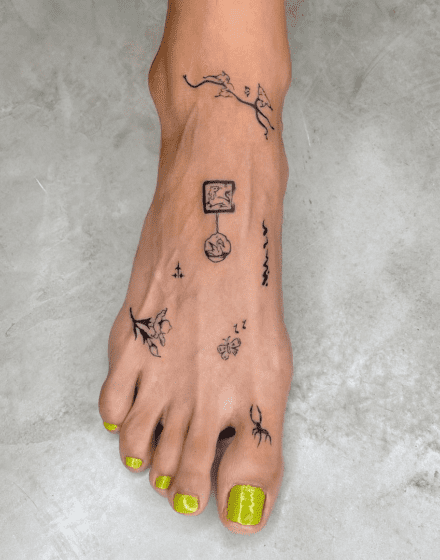
When it comes to foot tattoos, creativity knows no bounds. Some women prefer to stray from classic themes and opt for something completely unique, reflecting their life experiences and individuality. From intricate designs to minimalist paired tattoos, this category showcases a variety of creative possibilities.

For tips on how to come up with a truly original tattoo design, check out our article on 8 effective steps to creating your own idea!

DOES GETTING A TATTOO ON YOUR FOOT HURT?

Certain areas of the body, like the ribs, armpits, elbows, and feet, are known to be some of the most painful spots for tattoos. The feet, in particular, have numerous nerve endings and lack a significant layer of fat, meaning the vibrations from the tattoo machine can directly impact the bones and tendons.

However, that doesn’t mean foot tattoos are unbearably painful. Pain thresholds vary from person to person, so your experience may differ. The location of the tattoo on your foot also plays a role in how much it hurts. For instance, the outer side of the foot is generally less painful due to the rougher skin from constant friction with shoes and external factors.

One challenge that many people face during a foot tattoo session is staying still, as it can be difficult to keep your feet in place during the process.
THE TATTOO AFTERCARE: WHAT SHOULD YOU DO?

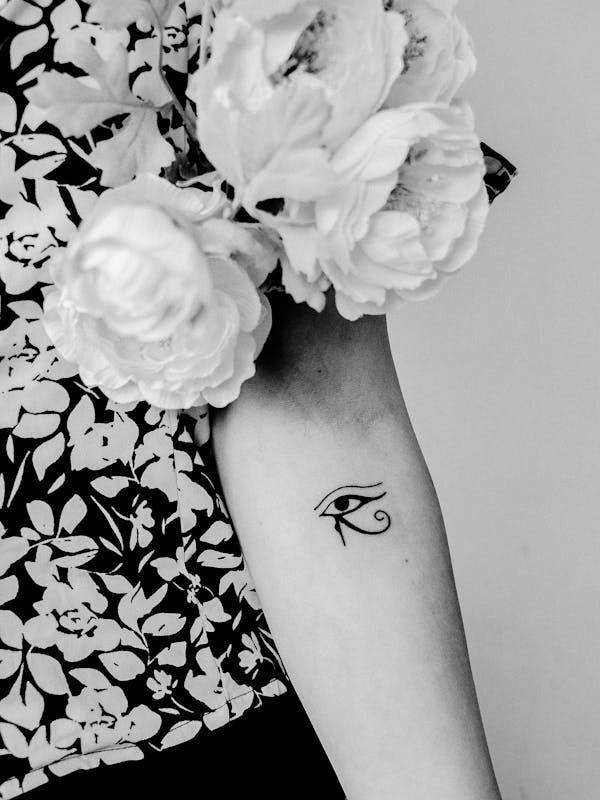
Getting a tattoo is an exciting experience, but the real work begins after you leave the artist’s chair. Proper tattoo aftercare is crucial for ensuring your new ink heals beautifully and minimizes the risk of infection or complications. This involves a delicate balance of keeping the area clean while allowing it to breathe and heal naturally. 

This guide will provide you with essential tips and information on how to care for your fresh tattoo, from the immediate post-tattoo steps to long-term considerations. By following these guidelines, you can help your tattoo heal optimally and enjoy its vibrant colors and intricate designs for years to come.

TATTOO AFTERCARE: FIRST 30 DAYS AND BEYOND

Healing time varies depending on your tattoo’s size and intricacy. Larger tattoos tend to stay red and swollen for longer as they cause more trauma to the skin.

Day 1

When you leave the tattoo studio, your tattoo will be covered with a dressing. Your artist will tell you when to remove it. Plastic wrap and gauze are typically removed after a few hours, while medical-grade adhesive (known as “second skin”) can stay on for several days. Brands like Dermalize, Flexifix, Saniderm, SecondSkin, Tatu-Derm, and Tegaderm are commonly used.


Fluid, including blood, plasma, and excess ink, may ooze from your tattoo. It will also be red, sore, and warm to the touch. When it’s time to remove the dressing, wash your hands thoroughly before gently peeling it off. Cleanse the area with warm water and fragrance-free soap, rinse well, and then lightly pat dry. Afterward, wait a few minutes before applying the ointment or lotion your artist recommends.

Days 2–3:
Your tattoo will likely have a duller, cloudier appearance as your skin starts healing. Scabs may form.


Continue washing your tattoo once or twice a day, and don’t worry if some ink runs into the sink. This is just excess ink coming up through your skin. Let your skin dry completely before applying the recommended ointment or lotion.

Days 4–6:
By now, the second skin should be removed. Some artists suggest running the area under water while peeling off the adhesive. Make sure your hands are clean before starting.
Gently stretch the adhesive and peel it off slowly. Afterward, cleanse the area, let it dry, and apply the recommended ointment or lotion.


Redness should be fading, and light scabbing may appear. Avoid picking at the scabs, as this can cause scarring. Continue washing your tattoo once or twice daily and applying ointment as needed.

Days 6–14:
Scabs will begin to flake off naturally, but don’t pick at them. Pulling them off prematurely can remove ink and cause scarring. Itching is common during this time. To soothe it, use a fragrance-free, alcohol-free moisturizer several times a day. If the tattoo remains red and swollen, consult your tattoo artist or a healthcare professional for advice on possible infection.

Days 15–30:
By now, most scabs should be gone, and any remaining flakes will fall off. The tattooed area may still look dry and dull, but it should start to feel smoother. Continue moisturizing until the skin appears hydrated again. By the second or third week, the outer skin layers will have healed, but deeper layers may take 3–4 months to fully heal.

Expect your tattoo to look bright and vivid again by the end of the third month.

Tips for Long-Term Tattoo Care:
Once your tattoo has healed, it’s important to maintain its appearance.

  • Hydrate: Drink plenty of water to support overall health and keep your skin elastic.
  • Sun Protection: Apply sunscreen to protect your tattoo from UV damage and keep the colors vibrant.
  • Avoid Rapid Weight Fluctuations: Rapid weight gain or loss can stretch and distort your tattoo.

SELECTING THE BEST SKIN CARE PRODUCTS FOR TATTOO AFTERCARE

USE SOAP

Always opt for a mild, fragrance-free soap or a specially formulated tattoo cleanser to clean the tattooed area.

Many tattoo artists recommend:

  • Dr. Bronner’s 18-in-1 Hemp Baby Unscented Pure-Castile Soap
  • Dove Sensitive Skin Beauty Bar
  • Dial Gold Antibacterial Soap (although not fragrance-free, some artists recommend it)

USE OINTMENT


For the first day or two, some artists suggest using A+D Original Ointment. Afterward, you can switch to Aquaphor Healing Ointment or Dr. Bronner’s Unscented Organic Magic Balm.

USE LOTION

After the first week, you can switch to a lotion to keep the skin hydrated. Just ensure it is free of fragrances, ethyl alcohol, and additives like colored dyes that can dry out your skin.

Some recommended lotions are:

  • Lubriderm Daily Moisture Lotion
  • Cetaphil Moisturizing Lotion

AVOID 100% PETROLEUM PRODUCTS

It’s best to avoid using products that are 100% petroleum-based, such as original Vaseline, during the initial healing process.

Petroleum products are thick and can trap moisture, preventing proper airflow to the tattoo. This can hinder healing and may even cause the ink to fade. Always choose products that allow your skin to breathe while supporting the healing process.

COMPLICATIONS DURING THE TATTOO HEALING PROCESS

While some discomfort and changes in your tattoo are normal, certain complications can arise. If symptoms persist or worsen, it’s important to consult with a healthcare professional.

INFECTION

Improper care of your tattoo can lead to an infection. Signs of infection include:

  • Redness, warmth, and pain around the tattooed area
  • Leaking pus or other unusual fluids

In rare cases, contamination of tattoo equipment or ink can lead to serious bloodborne infections like hepatitis B, hepatitis C, tetanus, or HIV. Non-tuberculous mycobacterial skin infections have also been reported.

ALLERGIC REACTION

If you’re allergic to the ink, you may experience a red, itchy reaction at the tattoo site. Red dyes are most likely to cause allergies, although blue and black dyes can also trigger skin reactions like photosensitivity. Always consult your artist or a healthcare professional if you suspect an allergic reaction.

SCARRING

Improper healing, such as picking at scabs or damage from the needle, can lead to scarring. Scar tissue can be permanent, so it’s important to avoid picking or scratching the tattoo while it heals.

FREQUENTLY ASKED QUESTIONS

1. When should you start aftercare for a new tattoo?
Aftercare begins immediately after your tattoo is completed. Your artist will typically apply a thin layer of antibiotic ointment and cover the tattoo with a bandage or plastic wrap. Follow their aftercare instructions on when to cleanse and what products to use.

2. How long should you keep your tattoo covered after your appointment?
Keep the dressing on for the duration recommended by your artist, typically anywhere from a few hours to a few days. The dressing prevents bacteria from entering, absorbs excess ink and fluid, and shields the tattoo from friction or irritation.

3. What is proper aftercare for a new tattoo?

  • Wash your hands thoroughly before removing the covering.
  • Gently cleanse the tattoo with warm water and fragrance-free soap.
  • Pat the skin dry with a soft cloth.
  • Apply a thin layer of fragrance-free and alcohol-free moisturizer.
  • Let your skin breathe by keeping the dressing off after initial care.
  • Follow this routine for the first few weeks and avoid sun exposure until fully healed.

4. What should you avoid after getting a new tattoo?

  • Avoid scratching or picking at your tattoo. Gently patting the area can relieve itching.
  • Avoid tight clothing that may rub or irritate the tattoo.
  • Stay away from bathtubs, hot tubs, pools, or submerging your tattoo in water.
  • Don’t apply sunblock until the tattoo has fully healed, and avoid direct sun exposure during healing.

5. Can you use Aquaphor on a new tattoo?
Yes, it’s generally safe to use a thin layer of Aquaphor Healing Ointment on a healing tattoo. Unlike pure petroleum jelly (like Vaseline), Aquaphor is more breathable and allows air to circulate, aiding the healing process without suffocating the skin.

CONCLUSION

A tattoo is not only a form of personal expression and art, but also a medical procedure. The artist uses a needle to deposit ink beneath your skin, which creates a wound. Anytime the skin is broken, there’s a risk of scarring and infection. Proper aftercare is essential to minimize these risks and promote healthy healing of your tattoo.