Summer is a time for fun, relaxation, and exploration. But that doesn’t mean learning has to take a backseat! The kitchen is a fantastic place to sneak in some math learning without your kids even realizing it. Keep scroll!
MATH IN THE KITCHEN: FRACTIONS AND MULTIPLES

Cooking is a fantastic way to make math come to life, especially when it comes to fractions and multiples. Kids often ask, “Why do I need to learn this?” but baking offers the perfect opportunity to explore math concepts while having fun. Recipes require precise measurements, inviting kids to work with fractions and multiples without the pressure of traditional drills. Try doubling a recipe, or cutting one in half, to see how measurements change.
Encourage experimentation with different measuring tools. For example, test whether liquid measuring cups are really necessary for liquids, or if a solid measuring cup can do the job. Try measuring a cup of water in various containers—does the measurement change depending on the vessel? How about a cup of flour?
For a fun challenge, try measuring a cup using tablespoons or convert teaspoons into tablespoons. Dive into the world of metric measurements, and compare how many ways you can measure a cup, pint, or quart. The kitchen becomes a hands-on math lab!
SHAPES AND DESIGN: A FEAST FOR THE EYES
Chefs often say you eat with your eyes first. Presentation is a huge part of cooking, and shapes and design play a key role. How many creative ways can you cut a grilled cheese sandwich? What shapes can you make out of a carrot? With fruits and vegetables, you can create stunning tangram-style designs. Younger children can explore different shapes by presenting their favorite foods in new ways, while practicing math concepts like symmetry and balance.
EXPERIMENTING WITH RECIPES: THE SCIENCE OF COOKING
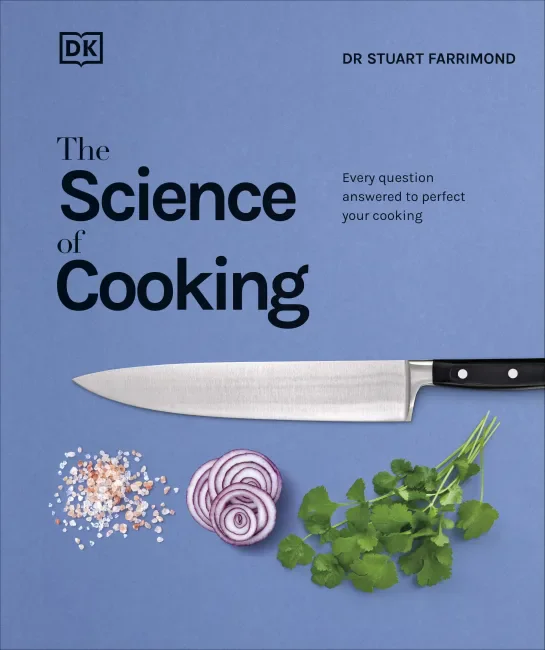
What happens if you double the sugar or swap out baking powder for baking soda? Changing up a recipe is a fun way to explore the science behind cooking. Before you begin, hypothesize what the change might do to the final result. Afterward, evaluate your creation. Some experiments may yield delicious results, while others might flop. Either way, it’s a great opportunity to practice critical thinking and the scientific method. Don’t be afraid to get creative!
RATING YOUR CREATIONS: TRACKING SUCCESS
As you experiment with new recipes, set up a rating system to track your results. After making a dish, sit down and discuss: What did you like? Was there something you’d change next time? Create a star rating for each dish and use a chart to track your progress. Keep a log of your culinary adventures, and even re-make a recipe multiple times to see if you can improve your results over time. You might be surprised by how much you learn!
WRITING CONNECTIONS: RECIPES AND WRITING SKILLS
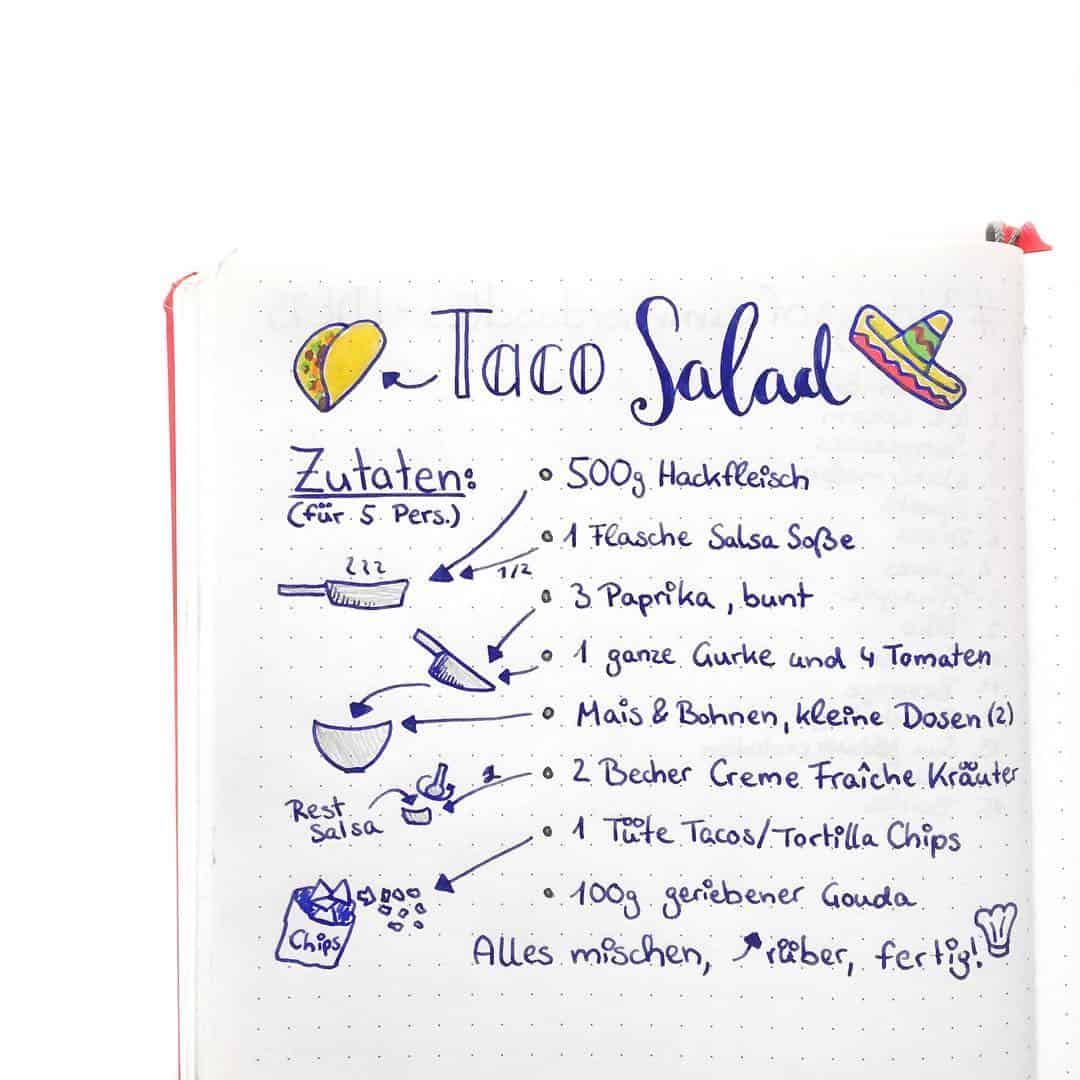
The kitchen is also a great place to practice writing! Young children can narrate their cooking process, helping them practice sequencing events and writing clear directions. Older kids can re-write recipes in their own words, adding their own twists or experimenting with creative copywork. Encourage them to create their own recipe books, which they can share with friends and family. This integrates writing with cooking in a fun and meaningful way!