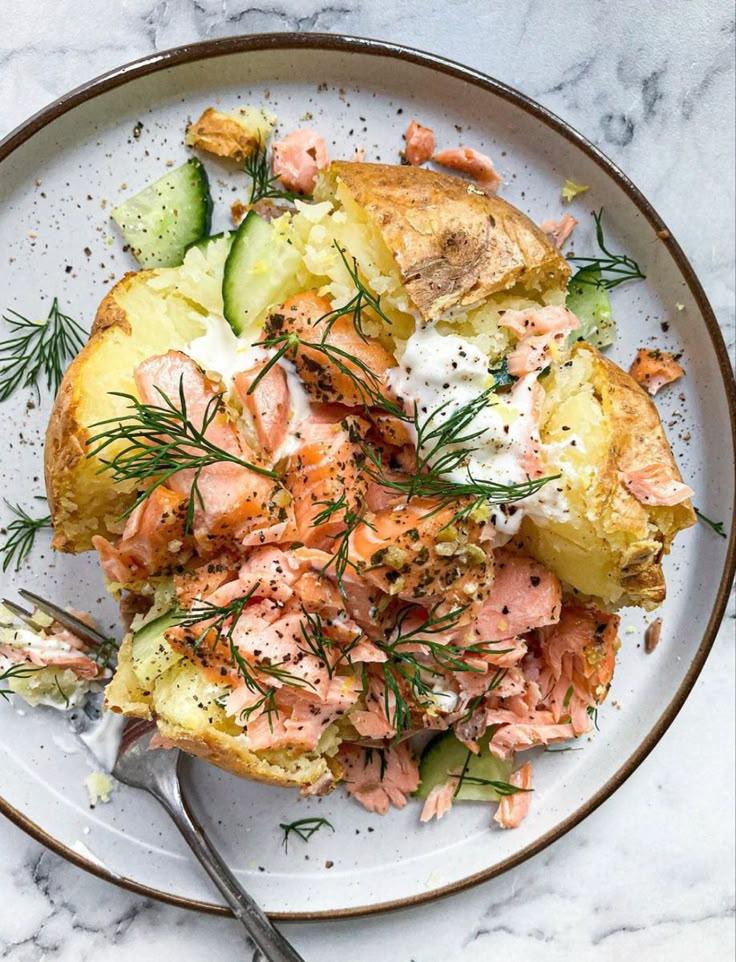
Looking to switch to a healthy gluten-free diet? This list of naturally gluten-free foods will make the transition smoother and quicker than ever! You might already be enjoying many of these foods, so adopting a gluten-free lifestyle could be easier than you think.
POTATOES, SWEET POTATOES, STARCHY ROOTS
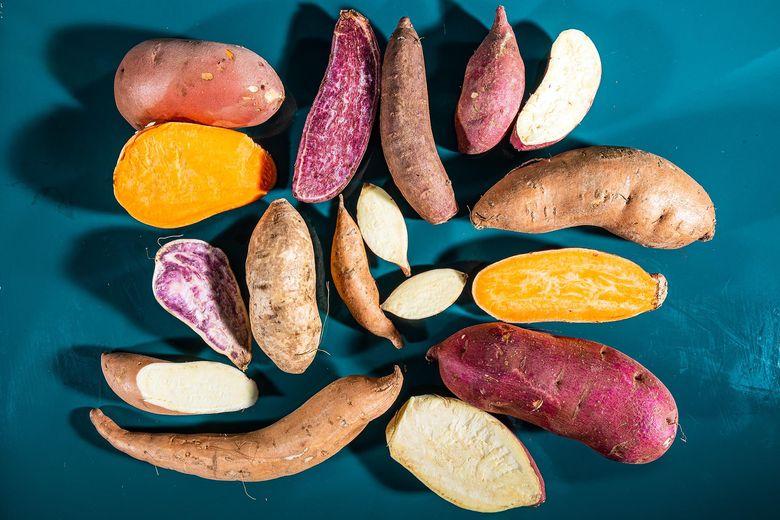
Thankfully, potatoes are completely gluten-free! So are sweet potatoes, beets, jicamas, parsnips, and other root vegetables.
EGGS
Hard boiled eggs are one of my go-to foods when eating gluten-free away from home! But fried, scrambled, poached, or however you like it, eggs themselves are gluten-free!
FRUITS & VEGETABLES
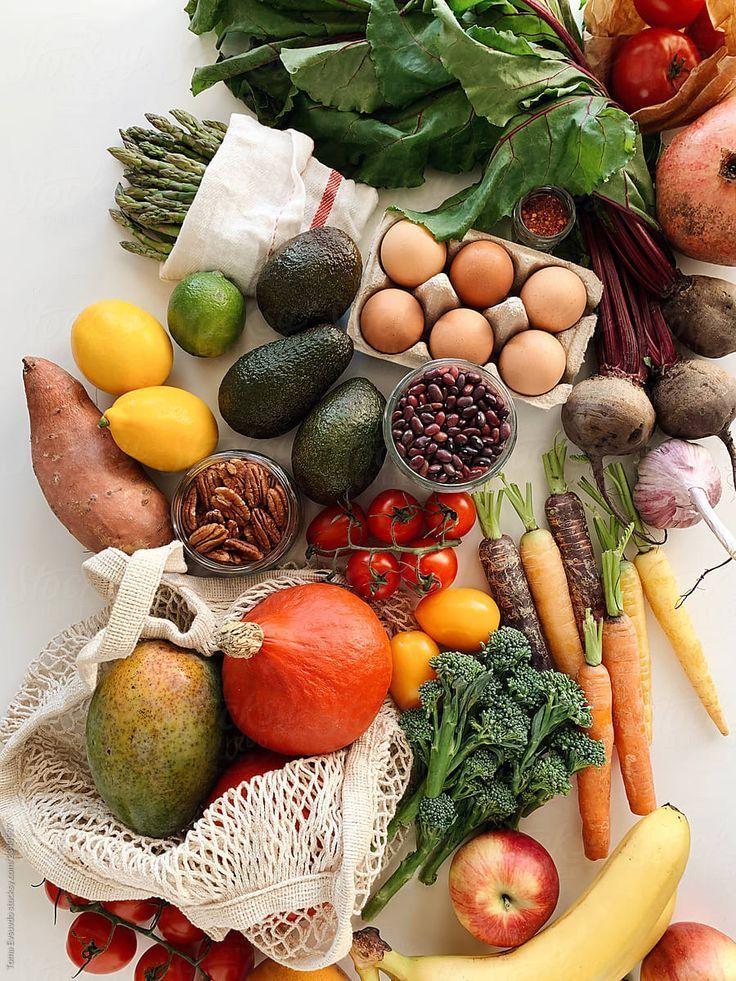
All fruits and vegetables in their natural form are naturally gluten-free! Feel free to enjoy fresh produce, but be sure to check the ingredients label on frozen, dried, or processed fruit and vegetable products (like jams or fruit snacks) for any added gluten. The USDA recommends that fruits and vegetables make up half our plate at meals, so we’re already off to a good start!
PLAIN MEATS
Just like produce, meats are naturally gluten-free, but it’s important to check the ingredients label for any additives. Processed meats, such as hot dogs, sausages, and deli meats, may contain a starch used as a binder, which could be derived from gluten.
FISH
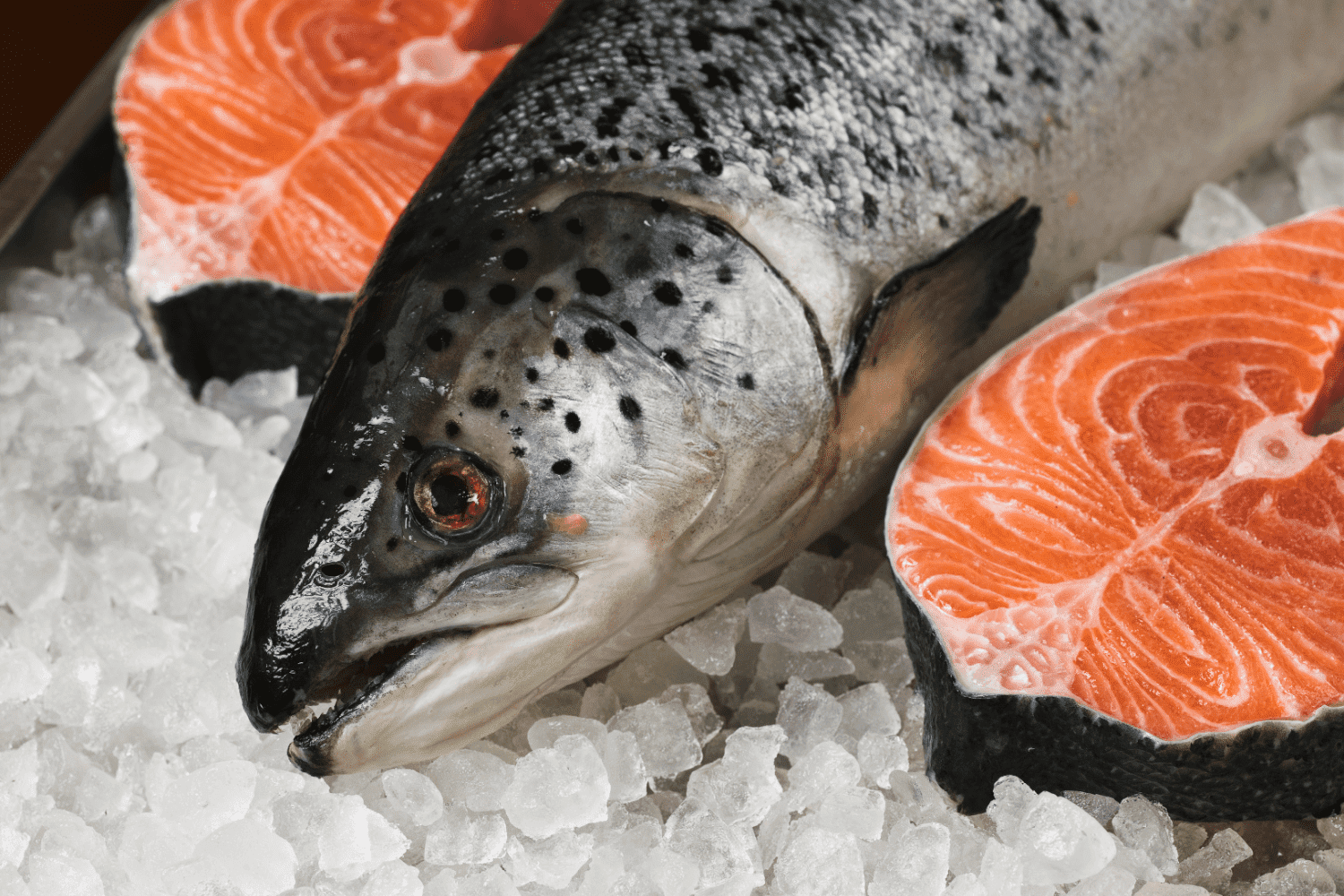
Plain fish fillets without additives are naturally gluten-free! Personally, I prefer wild-caught fish for sustainability, and because farmed fish are often fed gluten-containing pellets. While farmed fish should technically still be gluten-free, I’m not a fan of the idea of my food swimming in a gluten bath… cringe
NUTS & SEEDS
Peanuts, tree nuts, sunflower seeds, chia seeds, flaxseeds, and more are naturally gluten-free! However, they may be processed alongside wheat, which could pose a risk for those with Celiac Disease. For guidance on safe, gluten-free options, check out the Trust Your Gluten Free Food eBook!
DAIRY
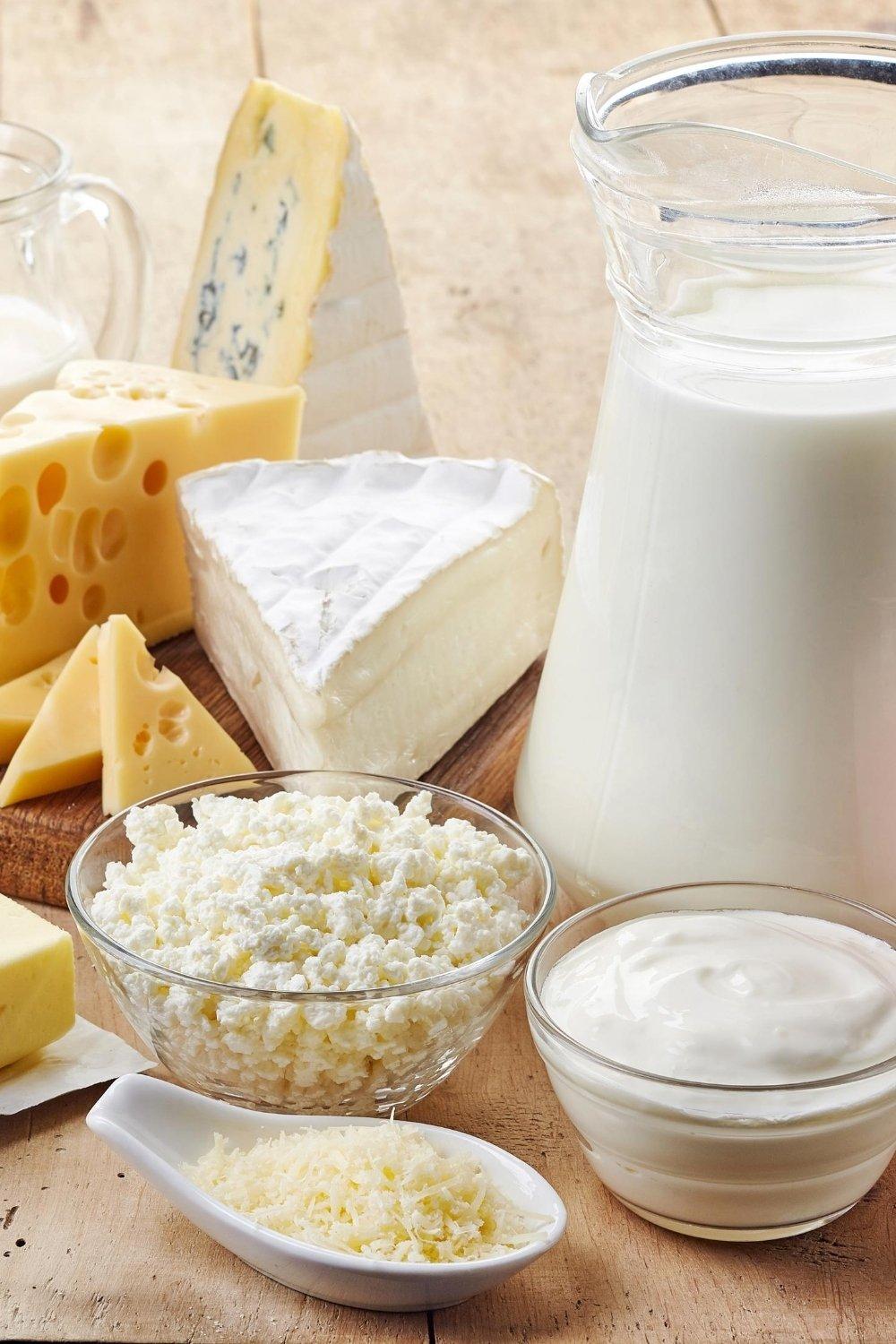
When plain and unflavored, milk, cheese, yogurt, and butter are gluten free. Of course, I recommend always checking the ingredients label. Many people who follow a gluten-free diet also choose to go dairy-free. For those with Celiac Disease, lactose intolerance can sometimes be a symptom. In such cases, avoiding dairy while the gut heals can help alleviate digestive issues. Some individuals are able to reintroduce dairy later, while others find they feel better sticking to a dairy-free diet.
MORE NATURALLY GLUTEN-FREE FOODS…
While many foods are naturally gluten-free, some may not be safe for those highly sensitive to trace amounts of gluten. The following categories are naturally gluten-free, but may be processed in facilities that also handle gluten-containing grains, leading to potential contamination and symptoms for those with sensitivity.
BEANS & LEGUMES
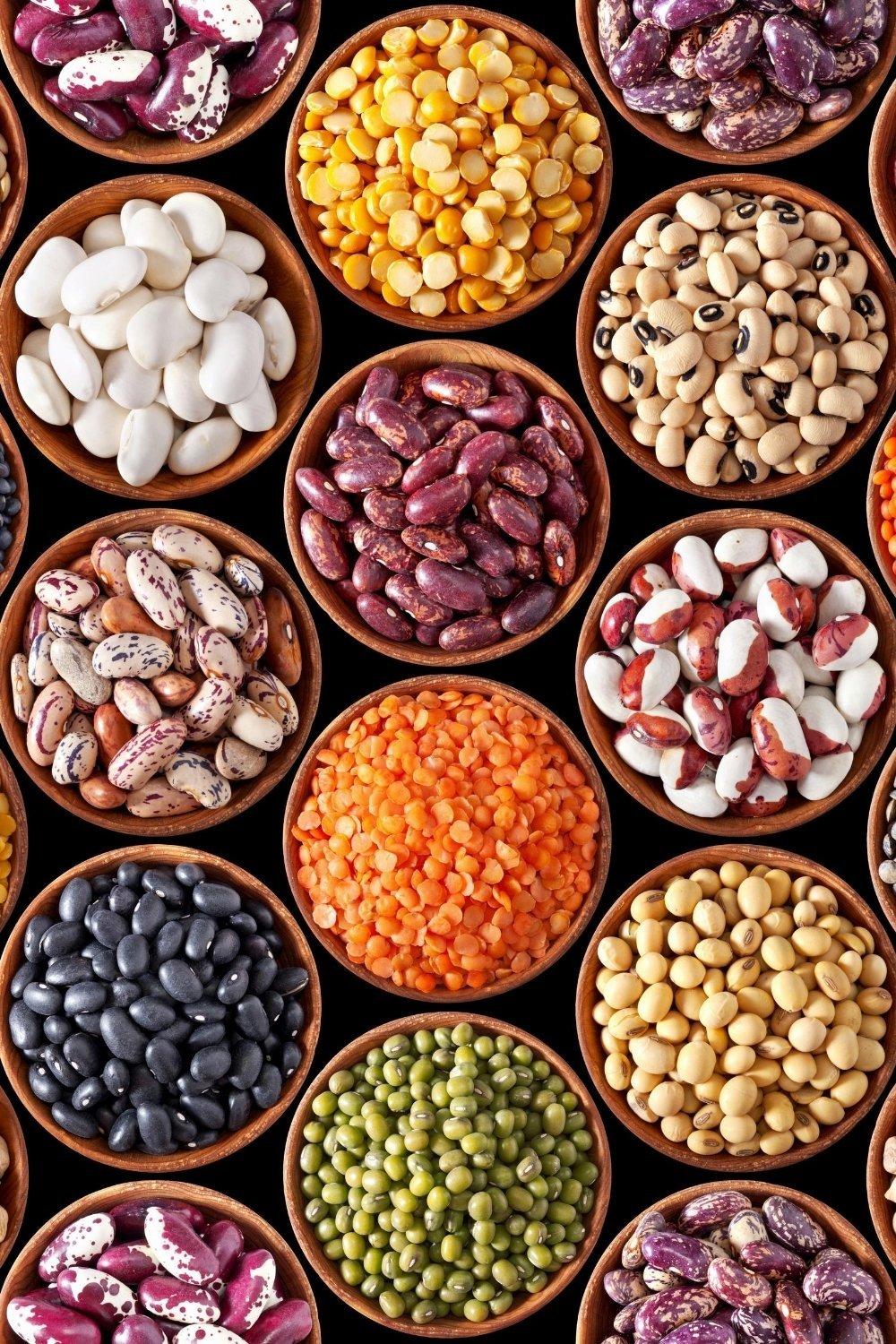
Soybeans, black beans, peas, chickpeas, and other legumes are naturally gluten-free. However, they are often processed on shared equipment with gluten, which can lead to cross-contamination.
GLUTEN FREE GRAINS
For a long time after beginning a gluten-free diet, I ate grain-free because grains made my symptoms worse. However, I was also not sourcing my grains safely. I prefer grains that are produced in a gluten-free facility or are certified or labeled gluten-free
SPICES
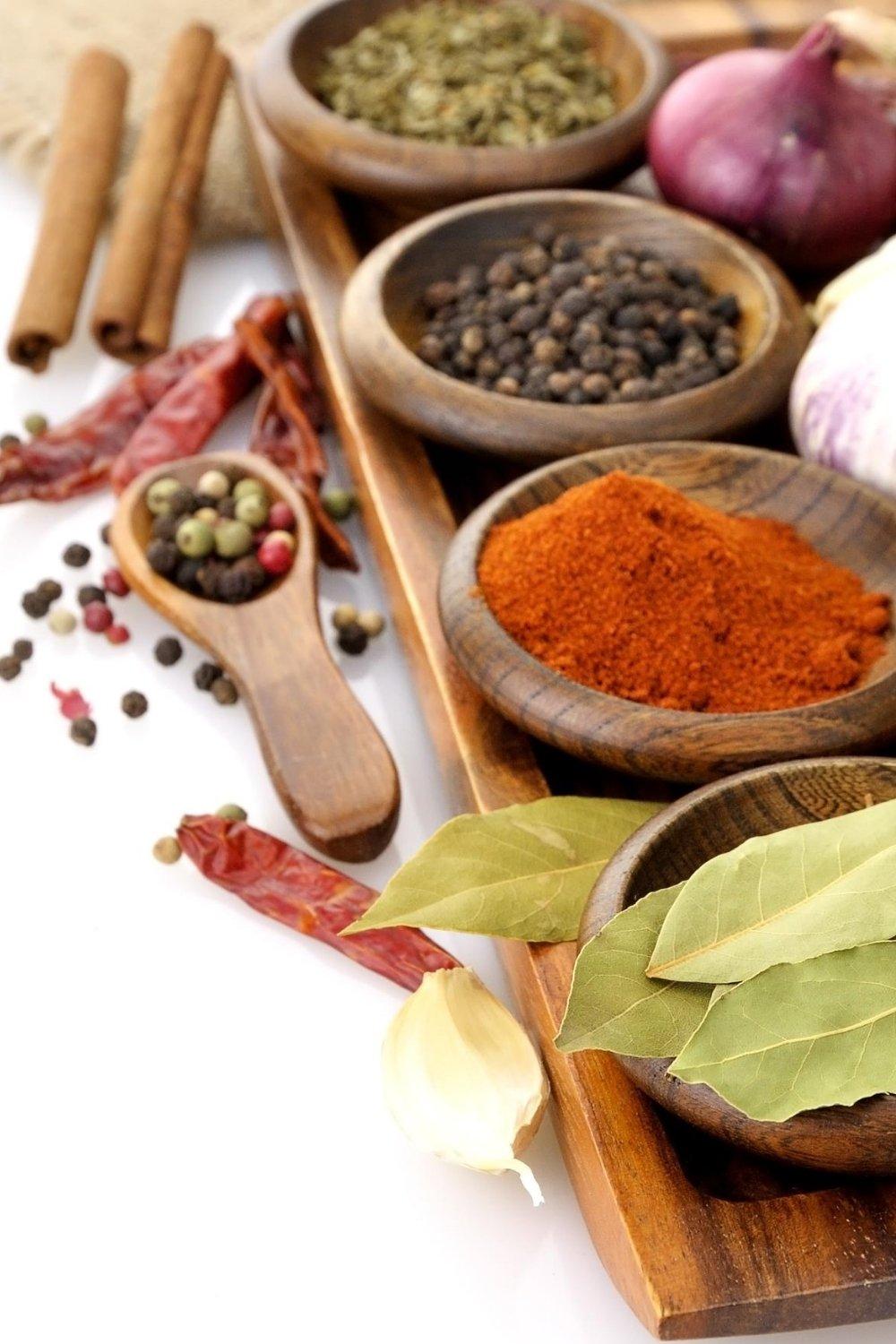
Spices can contain starch as an anti-caking agent — always check the ingredients label carefully! They can also come in contact with gluten during manufacturing.
CONCLUSION
In conclusion, a naturally gluten-free diet is not only achievable but also potentially beneficial for overall health. By focusing on whole, unprocessed foods like fruits, vegetables, lean proteins, and specific grains, individuals can enjoy a wide variety of delicious and nutritious meals without the risk of gluten exposure.